


- Afhalen na 1 uur in een winkel met voorraad
- Gratis thuislevering in België vanaf € 30
- Ruim aanbod met 7 miljoen producten
- Afhalen na 1 uur in een winkel met voorraad
- Gratis thuislevering in België vanaf € 30
- Ruim aanbod met 7 miljoen producten





€ 57,95
+ 115 punten
Uitvoering
Eenvoudig bestellen
Veilig betalen


Gratis thuislevering vanaf € 30 (via bpost)
Gratis levering in je Standaard Boekhandel
Omschrijving
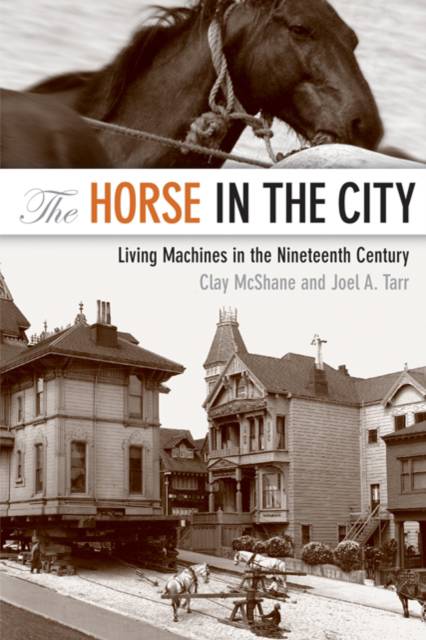
The nineteenth century was the golden age of the horse. In urban America, the indispensable horse provided the power for not only vehicles that moved freight, transported passengers, and fought fires but also equipment in breweries, mills, foundries, and machine shops. Clay McShane and Joel A. Tarr, prominent scholars of American urban life, here explore the critical role that the horse played in the growing nineteenth-century metropolis. Using such diverse sources as veterinary manuals, stable periodicals, teamster magazines, city newspapers, and agricultural yearbooks, they examine how the horses were housed and fed and how workers bred, trained, marketed, and employed their four-legged assets. Not omitting the problems of waste removal and corpse disposal, they touch on the municipal challenges of maintaining a safe and productive living environment for both horses and people and the rise of organizations like the American Society for the Prevention of Cruelty to Animals. In addition to providing an insightful account of life and work in nineteenth-century urban America, The Horse in the City brings us to a richer understanding of how the animal fared in this unnatural and presumably uncomfortable setting.
Specificaties
Betrokkenen
- Auteur(s):
- Uitgeverij:
Inhoud
- Aantal bladzijden:
- 280
- Taal:
- Engels
- Reeks:
Eigenschappen
- Productcode (EAN):
- 9781421400433
- Verschijningsdatum:
- 2/06/2011
- Uitvoering:
- Paperback
- Formaat:
- Trade paperback (VS)
- Afmetingen:
- 150 mm x 226 mm
- Gewicht:
- 385 g



Alleen bij Standaard Boekhandel
+ 115 punten op je klantenkaart van Standaard Boekhandel
CADEAU

AANGERADEN


Beoordelingen
We publiceren alleen reviews die voldoen aan de voorwaarden voor reviews. Bekijk onze voorwaarden voor reviews.