


- Afhalen na 1 uur in een winkel met voorraad
- Gratis thuislevering in België vanaf € 30
- Ruim aanbod met 7 miljoen producten
- Afhalen na 1 uur in een winkel met voorraad
- Gratis thuislevering in België vanaf € 30
- Ruim aanbod met 7 miljoen producten





Omschrijving
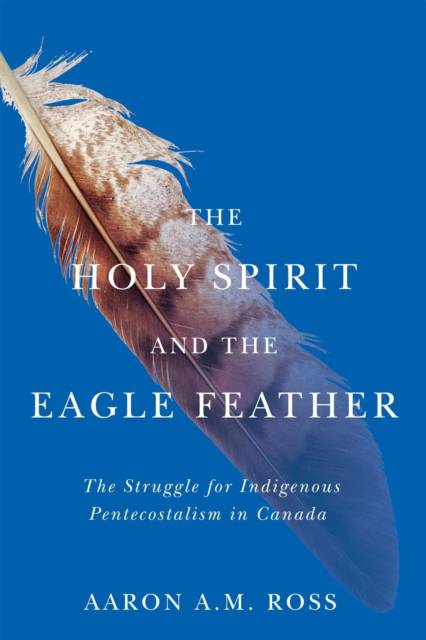
Pentecostalism is one of the fastest-growing religious movements in the world. In Canada, it is the most rapidly growing Christian group among Indigenous people, with approximately one in ten Pentecostals in the country being Indigenous. Pentecostalism has become a religious force in many Indigenous communities, where congregations are most often led by Indigenous ministers - an achievement that took many decades.
The Holy Spirit and the Eagle Feather traces the development of Indigenous Pentecostalism in Canada. Exploring the history of twentieth-century missionization, with particular attention to the Pentecostal Assemblies of Canada's Northland Mission, founded in 1943, Aaron Ross shows how the denomination's Euro-Canadian leaders, who believed themselves to be supporters of Indigenous-led churches, struggled to relinquish control of mission management and finances. Drawing on interviews with contemporary figures in the movement, he describes how Indigenous Pentecostals would come to challenge the mission's eurocentrism over decades, eventually entering positions of leadership in the church. This process required them to confront the painful vestiges of colonialism and to grapple with the different philosophies and theologies of Pentecostalism and Indigenous traditional spiritualities. In doing so they indigenized the movement and forged a new identity, as Indigenous and Pentecostal. Indigenous Pentecostals now occupy key roles in the church and serve as political, cultural, and economic leaders in their communities. The Holy Spirit and the Eagle Feather tells the story of how they overcame the church's colonial impulses to become religious leaders, as well as agents for decolonization and reconciliation.Specificaties
Betrokkenen
- Auteur(s):
- Uitgeverij:
Inhoud
- Aantal bladzijden:
- 384
- Taal:
- Engels
- Reeks:
- Reeksnummer:
- nr. 16
Eigenschappen
- Productcode (EAN):
- 9780228017660
- Verschijningsdatum:
- 15/08/2023
- Uitvoering:
- Paperback
- Formaat:
- Trade paperback (VS)
- Afmetingen:
- 156 mm x 226 mm
- Gewicht:
- 576 g


Alleen bij Standaard Boekhandel
+ 115 punten op je klantenkaart van Standaard Boekhandel
Cadeau

AANGERADEN


Beoordelingen
We publiceren alleen reviews die voldoen aan de voorwaarden voor reviews. Bekijk onze voorwaarden voor reviews.