


- Afhalen na 1 uur in een winkel met voorraad
- Gratis thuislevering in België vanaf € 30
- Ruim aanbod met 7 miljoen producten
- Afhalen na 1 uur in een winkel met voorraad
- Gratis thuislevering in België vanaf € 30
- Ruim aanbod met 7 miljoen producten





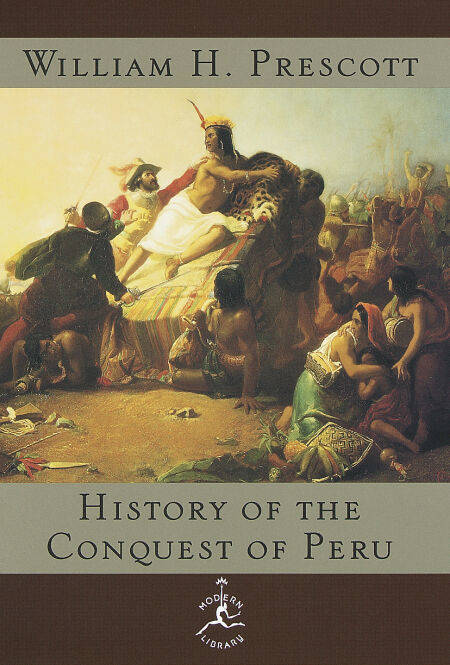
Omschrijving
Originally published in 1847, History of the Conquest of Peru, a companion volume to William H. Prescott's masterly History of the Conquest of Mexico, continues his vivid chronicle of Spanish exploits in the New World. The book's commanding vision of Pizarro's tumultuous overthrow of the Inca empire has secured its reputation as a classic in the literature of Latin American history.
'History of the Conquest of Peru represents an author's triumph over his materials,' observed Donald G. Darnell, one of the historian's several biographers. 'Prescott exploits to the fullest any opportunities for dramatic effects that history might provide him. . . . If there is one [distinguishing] feature of the Conquest of Peru . . . it is the portrayal of the Spanish character, that striking fusion of courage, cruelty, pride, and gallows humor. . . . We seem to be overhearing dialogue and observing firsthand the interaction between the Spaniards as they struggle for control of an empire. . . . Although Peru lacks a noble protagonist . . . it is still an immensely readable history. The description of the Inca civilization, particularly its wealth, the precise explanation of the cause of the conflict between the conquerors, and the depiction of the Spanish character--these together with the careful research, the sheer abundance of anecdotes, and the exploitation of primary materials all contribute to the history's continuing popularity.'
'History of the Conquest of Peru represents an author's triumph over his materials,' observed Donald G. Darnell, one of the historian's several biographers. 'Prescott exploits to the fullest any opportunities for dramatic effects that history might provide him. . . . If there is one [distinguishing] feature of the Conquest of Peru . . . it is the portrayal of the Spanish character, that striking fusion of courage, cruelty, pride, and gallows humor. . . . We seem to be overhearing dialogue and observing firsthand the interaction between the Spaniards as they struggle for control of an empire. . . . Although Peru lacks a noble protagonist . . . it is still an immensely readable history. The description of the Inca civilization, particularly its wealth, the precise explanation of the cause of the conflict between the conquerors, and the depiction of the Spanish character--these together with the careful research, the sheer abundance of anecdotes, and the exploitation of primary materials all contribute to the history's continuing popularity.'
Specificaties
Betrokkenen
- Auteur(s):
- Uitgeverij:
Inhoud
- Aantal bladzijden:
- 734
- Taal:
- Engels
Eigenschappen
- Productcode (EAN):
- 9780679641773
- Verschijningsdatum:
- 31/10/2000
- Uitvoering:
- E-book
- Beveiligd met:
- Adobe DRM
- Formaat:
- ePub


Alleen bij Standaard Boekhandel
+ 5 punten op je klantenkaart van Standaard Boekhandel
AANGERADEN


Beoordelingen
We publiceren alleen reviews die voldoen aan de voorwaarden voor reviews. Bekijk onze voorwaarden voor reviews.