


- Afhalen na 1 uur in een winkel met voorraad
- Gratis thuislevering in België vanaf € 30
- Ruim aanbod met 7 miljoen producten
- Afhalen na 1 uur in een winkel met voorraad
- Gratis thuislevering in België vanaf € 30
- Ruim aanbod met 7 miljoen producten





€ 15,95
+ 31 punten
Omschrijving
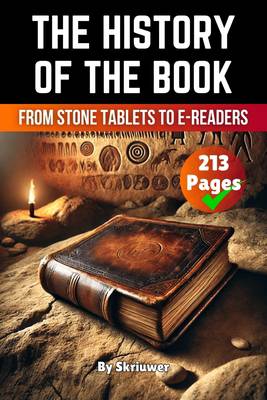
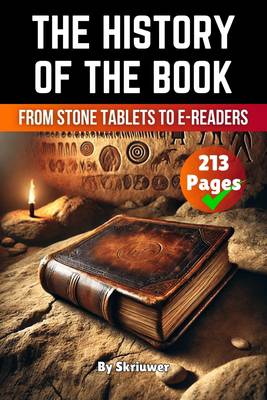
Few objects have shaped human civilization as profoundly as the book. The History of the Book follows the evolution of the written and printed word from clay tablets and papyrus scrolls through illuminated manuscripts, the Gutenberg press, mass-market paperbacks, and the digital age. It is a story of technology, literacy, commerce, censorship, and the enduring human impulse to record and share knowledge.
This account covers the full arc of the book's development across cultures and centuries, exploring how changes in writing materials, reproduction methods, and distribution networks altered what people read and who could afford to read it. Topics include the great libraries of the ancient world, the role of monastic scriptoria, the revolution of movable type, the rise of publishing houses, and the debates over e-books and digital preservation today. It is an engaging history for anyone with an interest in reading, libraries, or the culture of knowledge.
Contents:
Reader review: "A genuinely fascinating read that made me appreciate how much effort and ingenuity went into making books available to ordinary people. Well written and full of interesting detail." -- Susan K.
This title suits history, media studies, and library science collections, and is of natural interest to booksellers and librarians themselves. It is well suited to both academic and general trade markets.
Order now.
Specificaties
Betrokkenen
- Auteur(s):
- Uitgeverij:
Inhoud
- Aantal bladzijden:
- 214
- Taal:
- Engels
- Reeks:
Eigenschappen
- Productcode (EAN):
- 9783565084111
- Verschijningsdatum:
- 12/11/2025
- Uitvoering:
- Paperback
- Formaat:
- Trade paperback (VS)
- Afmetingen:
- 152 mm x 229 mm
- Gewicht:
- 290 g


Alleen bij Standaard Boekhandel
+ 31 punten op je klantenkaart van Standaard Boekhandel
AANGERADEN


Beoordelingen
We publiceren alleen reviews die voldoen aan de voorwaarden voor reviews. Bekijk onze voorwaarden voor reviews.