


- Afhalen na 1 uur in een winkel met voorraad
- Gratis thuislevering in België vanaf € 30
- Ruim aanbod met 7 miljoen producten
- Afhalen na 1 uur in een winkel met voorraad
- Gratis thuislevering in België vanaf € 30
- Ruim aanbod met 7 miljoen producten





€ 52,45
+ 104 punten
Omschrijving
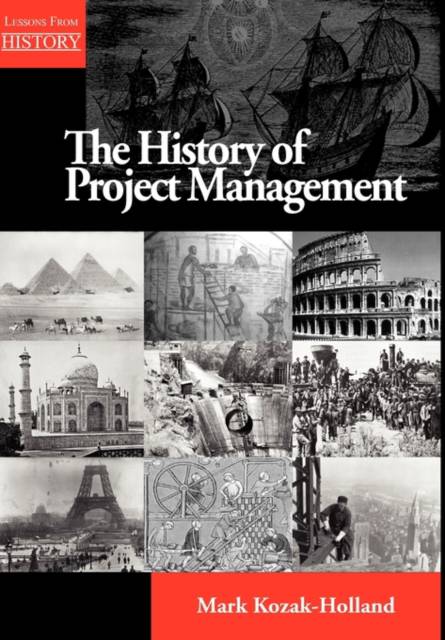
The Pyramid of Giza, the Colosseum, and the Transcontinental Railroad are all great historical projects from the past four millennia. When we look back, we tend to look at these as great architectural or engineering works. Project management tends to be overlooked, and yet its core principles were used extensively in these projects. This book takes a hard look at the history of project management and how it evolved over the past 4,500 years. It shows that "modern" project management practices did not just appear in the past 100 years but have been used - often with a lot of sophistication - for thousands of years. Examining archaeological evidence, artwork, and surviving manuscripts, this book provides evidence of how each of the nine knowledge areas of project management (as shown in PMI's PMBoK(R) Guide) have been practiced throughout the ages. The book covers the period from the construction of the ancient pyramids up to the 1940s. A future companion volume will cover more recent developments during the war years and the technology boom leading up to the present. As readers explore the many case studies in this book, they will discover fascinating details of innovative projects that produced many of our most famous landmarks and voyages of discovery.
Specificaties
Betrokkenen
- Auteur(s):
- Uitgeverij:
Inhoud
- Aantal bladzijden:
- 648
- Taal:
- Engels
- Reeks:
Eigenschappen
- Productcode (EAN):
- 9781554890965
- Verschijningsdatum:
- 1/05/2011
- Uitvoering:
- Hardcover
- Formaat:
- Genaaid
- Afmetingen:
- 156 mm x 234 mm
- Gewicht:
- 1061 g



Alleen bij Standaard Boekhandel
+ 104 punten op je klantenkaart van Standaard Boekhandel
Cadeau

AANGERADEN


Beoordelingen
We publiceren alleen reviews die voldoen aan de voorwaarden voor reviews. Bekijk onze voorwaarden voor reviews.