


- Afhalen na 1 uur in een winkel met voorraad
- Gratis thuislevering in België vanaf € 30
- Ruim aanbod met 7 miljoen producten
- Afhalen na 1 uur in een winkel met voorraad
- Gratis thuislevering in België vanaf € 30
- Ruim aanbod met 7 miljoen producten





€ 19,99
+ 19 punten
Omschrijving
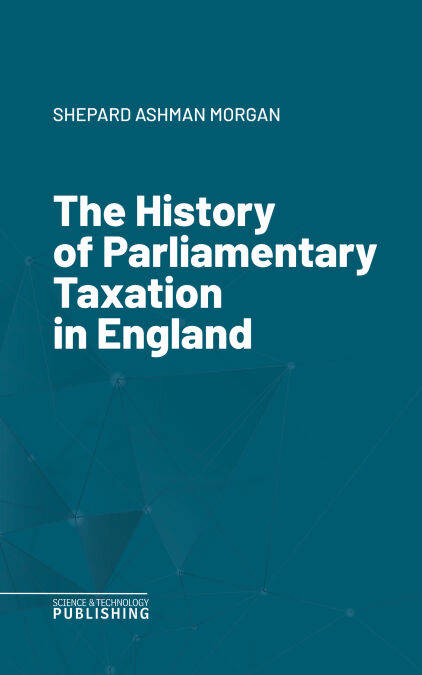
The History of Parliamentary Taxation in England by Shepard Ashman Morgan is a comprehensive scholarly work that traces the evolution of taxation through the English parliamentary system from its earliest origins to the modern era. The book meticulously examines the development of the English fiscal system, focusing on the gradual shift of taxation authority from the monarchy to Parliament, and the profound constitutional implications of this transformation. Morgan explores the historical context of taxation, beginning with the feudal levies and the early financial prerogatives of the Crown, and follows the progression through the Magna Carta, the rise of representative institutions, and the increasing assertion of parliamentary control over public finance. The narrative delves into the key statutes, charters, and political struggles that shaped the relationship between the Crown and Parliament, highlighting landmark events such as the Petition of Right, the English Civil War, and the Glorious Revolution. Morgan analyzes the legal and political debates surrounding taxation, the resistance to arbitrary levies, and the emergence of the principle that taxation requires the consent of the governed, as expressed through their representatives. The book also discusses the administrative mechanisms of tax collection, the evolution of different forms of taxation—including direct and indirect taxes—and the impact of fiscal policy on English society and governance. Rich in historical detail and legal analysis, The History of Parliamentary Taxation in England provides valuable insights into the origins of modern constitutional government and the enduring significance of parliamentary control over taxation. It is an essential resource for students of English history, law, and political science, offering a thorough understanding of how the struggle over taxation helped shape the foundations of democracy and the rule of law in England.
Specificaties
Betrokkenen
- Auteur(s):
- Uitgeverij:
Inhoud
- Taal:
- Engels
Eigenschappen
- Productcode (EAN):
- 9782528113523
- Verschijningsdatum:
- 31/08/2025
- Uitvoering:
- E-book
- Formaat:
- ePub


Alleen bij Standaard Boekhandel
+ 19 punten op je klantenkaart van Standaard Boekhandel
CADEAU

AANGERADEN


Beoordelingen
We publiceren alleen reviews die voldoen aan de voorwaarden voor reviews. Bekijk onze voorwaarden voor reviews.