


- Afhalen na 1 uur in een winkel met voorraad
- Gratis thuislevering in België vanaf € 30
- Ruim aanbod met 7 miljoen producten
- Afhalen na 1 uur in een winkel met voorraad
- Gratis thuislevering in België vanaf € 30
- Ruim aanbod met 7 miljoen producten





€ 16,95
+ 33 punten
Omschrijving
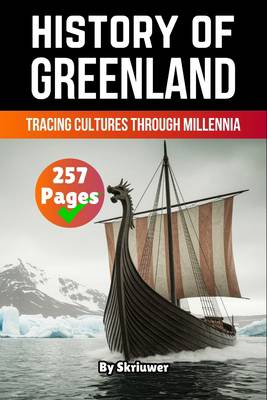
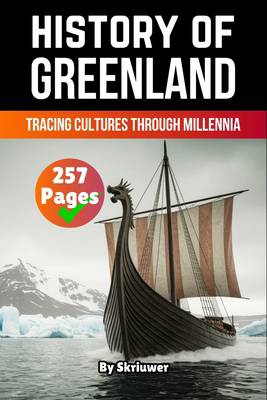
Greenland is the world's largest island, yet it remains one of the least understood places on earth. The History of Greenland traces this remote and extraordinary land from the first human settlements of the Paleo-Eskimo cultures through Norse colonization, Inuit migration, European rediscovery, Danish colonial rule, and the island's evolving status in the modern world. It is an informative and engaging account of a place whose history is as dramatic as its landscape.
The book covers the key episodes that shaped Greenland: the arrival and mysterious disappearance of the Norse settlements, the survival and culture of the Inuit people, the colonial relationship with Denmark, the strategic importance of Greenland in the Second World War and the Cold War, and the growing movement toward greater autonomy. It also addresses the island's contemporary significance as one of the most visible indicators of global climate change. The writing is accessible throughout.
Contents:
Reader review: "A genuinely surprising book about a place I thought I knew nothing about. The history of Greenland turns out to be full of drama, mystery, and human resilience." -- Karen H.
This title is well suited to Arctic studies, world history, and environmental sections. It appeals to general readers and academics alike and is a solid addition to library and bookshop collections covering underrepresented world regions.
Order now.
Specificaties
Betrokkenen
- Auteur(s):
- Uitgeverij:
Inhoud
- Aantal bladzijden:
- 258
- Taal:
- Engels
- Reeks:
Eigenschappen
- Productcode (EAN):
- 9783565084104
- Verschijningsdatum:
- 12/11/2025
- Uitvoering:
- Paperback
- Formaat:
- Trade paperback (VS)
- Afmetingen:
- 152 mm x 229 mm
- Gewicht:
- 349 g


Alleen bij Standaard Boekhandel
+ 33 punten op je klantenkaart van Standaard Boekhandel
AANGERADEN


Beoordelingen
We publiceren alleen reviews die voldoen aan de voorwaarden voor reviews. Bekijk onze voorwaarden voor reviews.