


- Afhalen na 1 uur in een winkel met voorraad
- Gratis thuislevering in België vanaf € 30
- Ruim aanbod met 7 miljoen producten
- Afhalen na 1 uur in een winkel met voorraad
- Gratis thuislevering in België vanaf € 30
- Ruim aanbod met 7 miljoen producten





€ 68,95
+ 137 punten
Eenvoudig bestellen
Veilig betalen


Gratis thuislevering vanaf € 30 (via bpost)
Gratis levering in je Standaard Boekhandel
Omschrijving
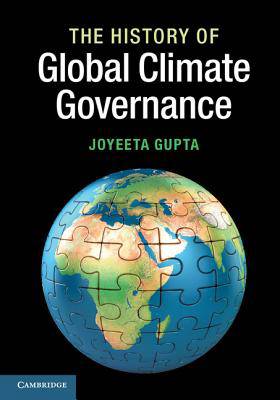
What has happened globally on the climate change issue? How have countries' positions differed over time, and why? How are problems and politics developing on an increasingly globalised planet, and can we find a solution? This book explores these questions and more, explaining the key underlying issues of the conflicts between international blocs. The negotiation history is systematically presented in five phases, demonstrating the evolution of decision-making. The book discusses the coalitions, actors and potential role of the judiciary, as well as human rights issues in addressing the climate change problem. It argues for a methodical solution through global law and constitutionalism, which could provide the quantum jump needed in addressing the problem of climate governance. This fascinating and accessible account will be a key resource for policymakers and NGOs, and also for researchers and graduate students in climate policy, geopolitics, climate change, environmental policy and law, and international relations.
Specificaties
Betrokkenen
- Auteur(s):
- Uitgeverij:
Inhoud
- Aantal bladzijden:
- 262
- Taal:
- Engels
Eigenschappen
- Productcode (EAN):
- 9781107040519
- Verschijningsdatum:
- 6/02/2014
- Uitvoering:
- Hardcover
- Formaat:
- Genaaid
- Afmetingen:
- 178 mm x 249 mm
- Gewicht:
- 680 g


Alleen bij Standaard Boekhandel
+ 137 punten op je klantenkaart van Standaard Boekhandel
CADEAU

AANGERADEN


Beoordelingen
We publiceren alleen reviews die voldoen aan de voorwaarden voor reviews. Bekijk onze voorwaarden voor reviews.