


- Afhalen na 1 uur in een winkel met voorraad
- Gratis thuislevering in België vanaf € 30
- Ruim aanbod met 7 miljoen producten
- Afhalen na 1 uur in een winkel met voorraad
- Gratis thuislevering in België vanaf € 30
- Ruim aanbod met 7 miljoen producten





€ 0,99
Uitvoering
Omschrijving
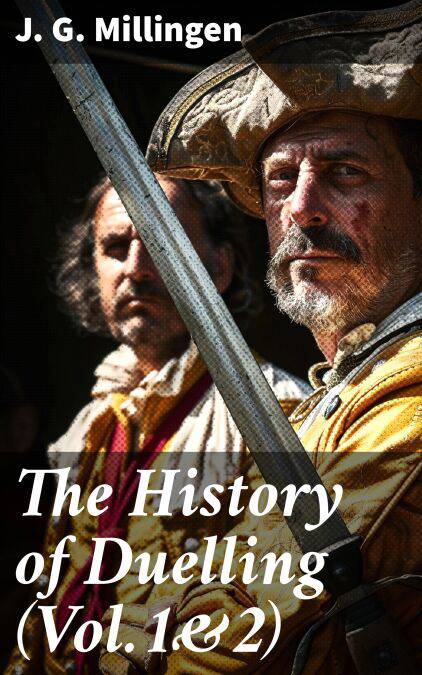
In "The History of Duelling (Vol. 1 & 2)," J. G. Millingen intricately examines the evolution of the practice of dueling, tracing its origins from ancient customs to the societal intricacies of the 19th century. Millingen adopts a meticulous narrative style, combining historical analysis with rich anecdotes that illuminate the moral, legal, and cultural implications of dueling. The two-volume work situates the duel within broader philosophical discourses of honor and masculinity, unraveling its role in shaping social hierarchies and personal vendettas. Each chapter is steeped in primary sources that provide authenticity, contributing to the scholarly rigor typically expected in historical discourse. J. G. Millingen, once a prominent physician and a valued member of the intellectual community, had an enduring fascination with cultural practices that define societal interactions. His background affords him a keen insight into the personal and psychological motivations that drove individuals to duel, underscoring the tensions between personal honor and societal expectation. Millingen'Äôs diverse interests allow for a multifaceted approach to understanding the duel's place in history, reflecting the complexity of human behavior in conflict resolution. This compelling study is essential reading for historians, sociologists, and those intrigued by the intricacies of human conflict. Millingen's penetrating analysis and engaging prose make a profound contribution to the literature on honor culture, and will leave readers with a deeper appreciation of the historical significance of dueling as a social institution.
Specificaties
Betrokkenen
- Auteur(s):
- Uitgeverij:
Inhoud
- Aantal bladzijden:
- 496
- Taal:
- Engels
Eigenschappen
- Productcode (EAN):
- 8596547776697
- Verschijningsdatum:
- 12/12/2023
- Uitvoering:
- E-book
- Beveiligd met:
- Digital watermarking
- Formaat:
- ePub



Alleen bij Standaard Boekhandel
Cadeau

AANGERADEN


Beoordelingen
We publiceren alleen reviews die voldoen aan de voorwaarden voor reviews. Bekijk onze voorwaarden voor reviews.