


- Afhalen na 1 uur in een winkel met voorraad
- Gratis thuislevering in België vanaf € 30
- Ruim aanbod met 7 miljoen producten
- Afhalen na 1 uur in een winkel met voorraad
- Gratis thuislevering in België vanaf € 30
- Ruim aanbod met 7 miljoen producten





€ 225,95
+ 451 punten
Eenvoudig bestellen
Veilig betalen


Gratis thuislevering vanaf € 30 (via bpost)
Gratis levering in je Standaard Boekhandel
Omschrijving
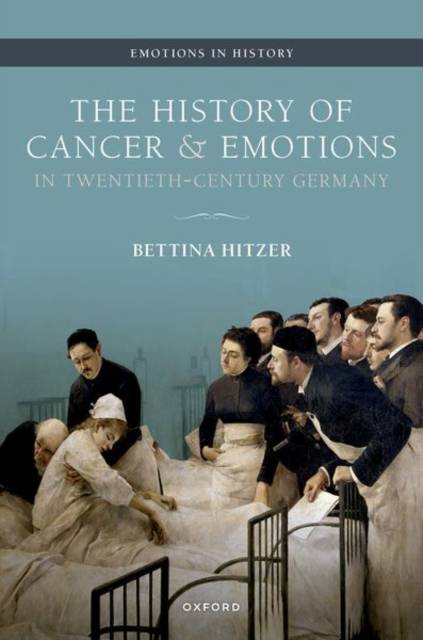
Different people feel different emotions when they are diagnosed with cancer. Both today and a century ago, fear and hope, shame and disgust, sadness and joy are and were the emotions experienced by many cancer patients and their loved ones. But these emotions do not just have significance for the people who feel them. They have also exerted a surprisingly profound influence on how hospitals and laboratories dealt with cancer, how early detection campaigns portrayed it, and how doctors talked about it with their patients. Bettina Hitzer details the history of cancer and emotions in twentieth-century Germany and thus follows the cancer-associated transformations of emotional regimes, emotional politics, and emotional experiences through five different political systems. In doing so, the study underscores that political caesuras resonate in the immediate corporeality of the history of emotions.
Specificaties
Betrokkenen
- Auteur(s):
- Vertaler(s):
- Uitgeverij:
Inhoud
- Aantal bladzijden:
- 406
- Taal:
- Engels
- Reeks:
Eigenschappen
- Productcode (EAN):
- 9780192868077
- Verschijningsdatum:
- 31/10/2022
- Uitvoering:
- Hardcover
- Formaat:
- Genaaid
- Afmetingen:
- 164 mm x 237 mm
- Gewicht:
- 811 g


Alleen bij Standaard Boekhandel
+ 451 punten op je klantenkaart van Standaard Boekhandel
CADEAU

AANGERADEN


Beoordelingen
We publiceren alleen reviews die voldoen aan de voorwaarden voor reviews. Bekijk onze voorwaarden voor reviews.