


- Afhalen na 1 uur in een winkel met voorraad
- Gratis thuislevering in België vanaf € 30
- Ruim aanbod met 7 miljoen producten
- Afhalen na 1 uur in een winkel met voorraad
- Gratis thuislevering in België vanaf € 30
- Ruim aanbod met 7 miljoen producten





€ 15,95
+ 31 punten
Omschrijving
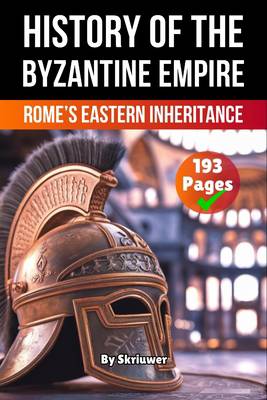
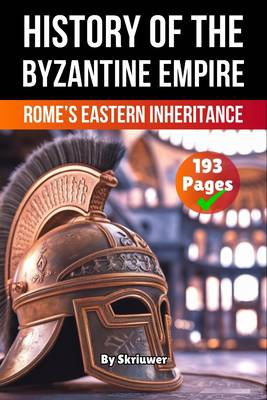
The Byzantine Empire is one of history's most underappreciated civilizations. As the direct continuation of the Roman Empire in the East, it survived for more than a thousand years after the fall of Rome, preserving classical learning, developing Christian theology, and maintaining a sophisticated urban culture while much of Western Europe was in decline. This book tells the story of how Byzantium rose, adapted, and eventually fell to the Ottoman Turks in 1453.
From the founding of Constantinople by Constantine the Great in 330 AD through the reign of Justinian, the great iconoclasm controversy, the Crusades, and the final siege of the city, the book provides a clear chronological account of Byzantine history and culture. It is written for general readers who want to understand why Byzantium matters and what it contributed to the modern world in theology, law, art, and statecraft.
Contents:
Reader review: "Finally a clear introduction to Byzantine history that doesn't assume prior knowledge. A remarkable civilization that deserves more attention." -- D. Komnenos
This title suits medieval history, European history, and ancient Rome sections. It is appropriate for public libraries, academic bookstores, and trade buyers with customers interested in the history of the Eastern Mediterranean and Christian civilization.
Order now.
Specificaties
Betrokkenen
- Auteur(s):
- Uitgeverij:
Inhoud
- Aantal bladzijden:
- 194
- Taal:
- Engels
- Reeks:
Eigenschappen
- Productcode (EAN):
- 9783565078295
- Verschijningsdatum:
- 12/11/2025
- Uitvoering:
- Paperback
- Formaat:
- Trade paperback (VS)
- Afmetingen:
- 152 mm x 229 mm
- Gewicht:
- 267 g


Alleen bij Standaard Boekhandel
+ 31 punten op je klantenkaart van Standaard Boekhandel
AANGERADEN


Beoordelingen
We publiceren alleen reviews die voldoen aan de voorwaarden voor reviews. Bekijk onze voorwaarden voor reviews.