


- Afhalen na 1 uur in een winkel met voorraad
- Gratis thuislevering in België vanaf € 30
- Ruim aanbod met 7 miljoen producten
- Afhalen na 1 uur in een winkel met voorraad
- Gratis thuislevering in België vanaf € 30
- Ruim aanbod met 7 miljoen producten





€ 74,45
+ 148 punten
Uitvoering
Omschrijving
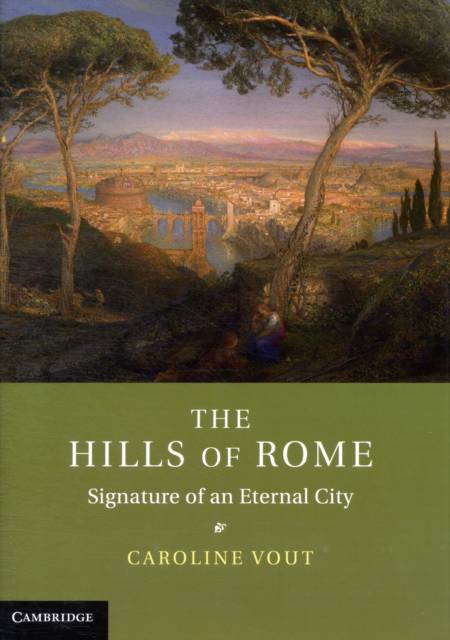
Rome is 'the city of seven hills'. This book examines the need for the 'seven hills' cliché, its origins, development, impact and borrowing. It explores how the cliché relates to Rome's real volcanic terrain and how it is fundamental to how we define this. Its chronological remit is capacious: Varro, Virgil and Claudian at one end, on, through the work of Renaissance antiquarians, to embrace frescoes and nineteenth-century engravings. These artists and authors celebrated the hills and the views from these hills, in an attempt to capture Rome holistically. By studying their efforts, this book confronts the problems of encapsulating Rome and 'cityness' more broadly and indeed the artificiality of any representation, whether a painting, poem or map. In this sense, it is not a history of the city at any one moment in time, but a history of how the city has been, and has to be, perceived.
Specificaties
Betrokkenen
- Auteur(s):
- Uitgeverij:
Inhoud
- Aantal bladzijden:
- 320
- Taal:
- Engels
Eigenschappen
- Productcode (EAN):
- 9781107025974
- Verschijningsdatum:
- 13/09/2012
- Uitvoering:
- Hardcover
- Formaat:
- Genaaid
- Afmetingen:
- 173 mm x 249 mm
- Gewicht:
- 793 g


Alleen bij Standaard Boekhandel
+ 148 punten op je klantenkaart van Standaard Boekhandel
Cadeau

AANGERADEN


Beoordelingen
We publiceren alleen reviews die voldoen aan de voorwaarden voor reviews. Bekijk onze voorwaarden voor reviews.