



- Afhalen na 1 uur in een winkel met voorraad
- In januari gratis thuislevering in België
- Ruim aanbod met 7 miljoen producten
- Afhalen na 1 uur in een winkel met voorraad
- In januari gratis thuislevering in België
- Ruim aanbod met 7 miljoen producten





€ 68,45
+ 136 punten
Omschrijving
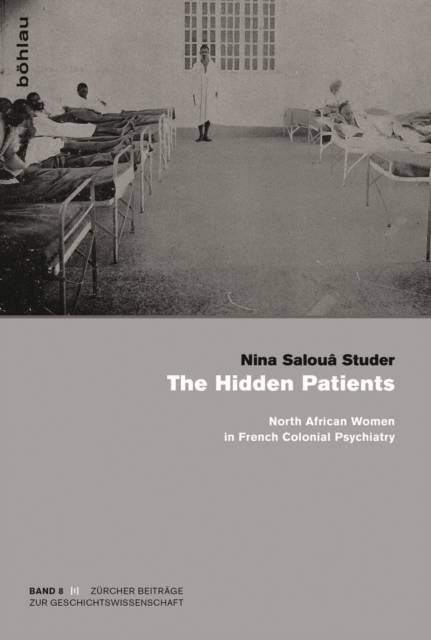
"The Hidden Patients" looks at questions of gender in psychiatric publications on the colonial Maghreb, which described "normal" and "abnormal" forms of behaviour among the colonised and compared these findings to descriptions of Europeans who had been diagnosed with psychiatric "abnormalities". Many psychiatric experts claimed that Muslim women rarely went "mad" and that they only accounted for a negligible percentage of the patients cared for by colonial psychiatrists. Consequently, relatively little space was dedicated to female Muslim patients in the theoretical source material, even though case studies and statistics clearly showed that it was mainly an imaginary absence and that it contradicted the everyday experiences of the psychiatrists.
Specificaties
Betrokkenen
- Auteur(s):
- Uitgeverij:
Inhoud
- Aantal bladzijden:
- 320
- Taal:
- Engels
- Reeks:
- Reeksnummer:
- nr. 8
Eigenschappen
- Productcode (EAN):
- 9783412502010
- Verschijningsdatum:
- 25/11/2015
- Uitvoering:
- Hardcover
- Formaat:
- Genaaid
- Afmetingen:
- 154 mm x 231 mm
- Gewicht:
- 652 g


Alleen bij Standaard Boekhandel
+ 136 punten op je klantenkaart van Standaard Boekhandel
Cadeau

AANGERADEN


Beoordelingen
We publiceren alleen reviews die voldoen aan de voorwaarden voor reviews. Bekijk onze voorwaarden voor reviews.