


- Afhalen na 1 uur in een winkel met voorraad
- Gratis thuislevering in België vanaf € 30
- Ruim aanbod met 7 miljoen producten
- Afhalen na 1 uur in een winkel met voorraad
- Gratis thuislevering in België vanaf € 30
- Ruim aanbod met 7 miljoen producten





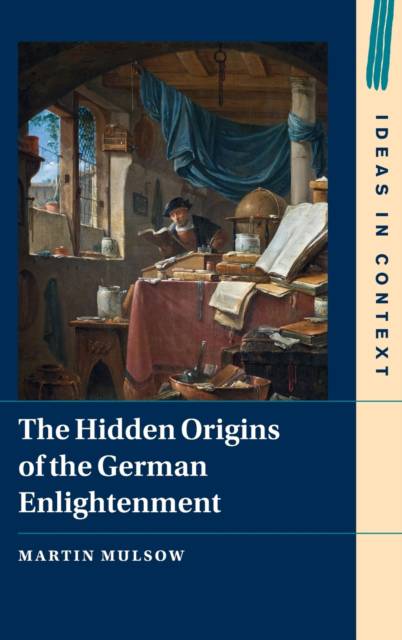
The Hidden Origins of the German Enlightenment
Martin Mulsow
€ 197,45
+ 394 punten
Omschrijving
The early German Enlightenment is seen as a reform movement that broke free from traditional ties without falling into anti-Christian and extremist positions, on the basis of secular natural law, an anti-metaphysical epistemology, and new social ethics. But how did the works which were radical and critical of religion during this period come about? And how do they relate to the dominant 'moderate' Enlightenment? Martin Mulsow offers fresh and surprising answers to these questions by reconstructing the emergence and dissemination of some of the radical writings created between 1680 and 1720. The Hidden Origins of the German Enlightenment explores the little-known freethinkers, persecuted authors, and secretly circulating manuscripts of the era, applying an interdisciplinary perspective to the German Enlightenment. By engaging with these cross-regional, clandestine texts, a dense and highly original picture emerges of the German early Enlightenment, with its strong links with the experience of the rest of Europe.
Specificaties
Betrokkenen
- Auteur(s):
- Vertaler(s):
- Uitgeverij:
Inhoud
- Aantal bladzijden:
- 412
- Taal:
- Engels
- Reeks:
- Reeksnummer:
- nr. 148
Eigenschappen
- Productcode (EAN):
- 9781009241151
- Verschijningsdatum:
- 13/07/2023
- Uitvoering:
- Hardcover
- Formaat:
- Genaaid
- Afmetingen:
- 152 mm x 229 mm
- Gewicht:
- 716 g



Alleen bij Standaard Boekhandel
+ 394 punten op je klantenkaart van Standaard Boekhandel
Cadeau

AANGERADEN


Beoordelingen
We publiceren alleen reviews die voldoen aan de voorwaarden voor reviews. Bekijk onze voorwaarden voor reviews.