


- Afhalen na 1 uur in een winkel met voorraad
- Gratis thuislevering in België vanaf € 30
- Ruim aanbod met 7 miljoen producten
- Afhalen na 1 uur in een winkel met voorraad
- Gratis thuislevering in België vanaf € 30
- Ruim aanbod met 7 miljoen producten





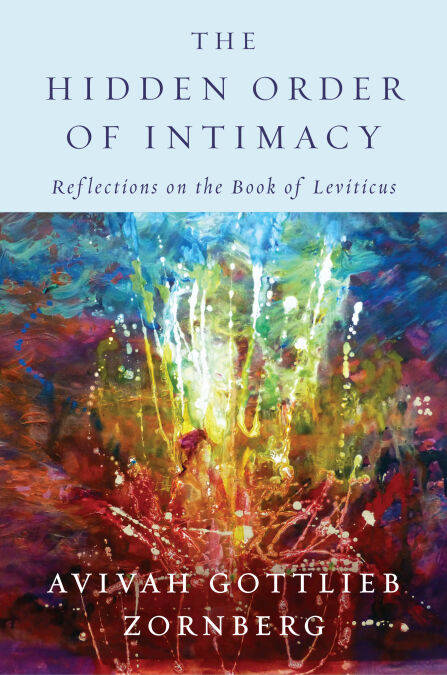
The Hidden Order of Intimacy E-BOOK
Reflections on the Book of Leviticus
Avivah Gottlieb Zornberg
E-book | Engels
€ 12,71
+ 12 punten
Omschrijving
A masterly analysis of the Book of Leviticus, the newest volume in the award-winning series of commentaries on the Hebrew Bible by “a celebrated biblical scholar, keen on weaving together traditional Jewish exegesis, psychoanalysis, and postmodern criticism” (The New York Times Book Review)
The image of the Golden Calf haunts the commentaries that thread through Leviticus. This catastrophic episode, in which the Israelites (freed from Egyptian slavery and forty days after their momentous encounter with God at Mount Sinai) worship a pagan idol while Moses is receiving the Torah from God on the mountaintop, gives the mostly legalistic text a unique depth and resonance. According to midrashic tradition, the post-traumatic effects of the sin of the Golden Calf linger through the generations, the sin to be “paid off” in small increments through time. Post-biblical perspectives view this as the diffusion of punishment, as well as a way of addressing the on-going phenomenon of idolatry itself.
These after-effects of the Golden Calf incident are imaginatively explored in Avivah Zornberg’s magnificent textual analysis. She brings the rabbis of the Talmud, medieval commentators, Hasidic scholars, philosophers, psychoanalysts, and literary masters—from Aristotle and Rashi to the Baal Shem Tov, Franz Rosenzweig, Sigmund Freud, and George Eliot—into her pathbreaking discussion of the nature of reward and punishment, good and evil, Eros and Thanatos, and humankind’s intricate and ever-fascinating encounter with the divine.
The image of the Golden Calf haunts the commentaries that thread through Leviticus. This catastrophic episode, in which the Israelites (freed from Egyptian slavery and forty days after their momentous encounter with God at Mount Sinai) worship a pagan idol while Moses is receiving the Torah from God on the mountaintop, gives the mostly legalistic text a unique depth and resonance. According to midrashic tradition, the post-traumatic effects of the sin of the Golden Calf linger through the generations, the sin to be “paid off” in small increments through time. Post-biblical perspectives view this as the diffusion of punishment, as well as a way of addressing the on-going phenomenon of idolatry itself.
These after-effects of the Golden Calf incident are imaginatively explored in Avivah Zornberg’s magnificent textual analysis. She brings the rabbis of the Talmud, medieval commentators, Hasidic scholars, philosophers, psychoanalysts, and literary masters—from Aristotle and Rashi to the Baal Shem Tov, Franz Rosenzweig, Sigmund Freud, and George Eliot—into her pathbreaking discussion of the nature of reward and punishment, good and evil, Eros and Thanatos, and humankind’s intricate and ever-fascinating encounter with the divine.
Specificaties
Betrokkenen
- Auteur(s):
- Uitgeverij:
Inhoud
- Aantal bladzijden:
- 320
- Taal:
- Engels
Eigenschappen
- Productcode (EAN):
- 9780805243581
- Verschijningsdatum:
- 28/03/2022
- Uitvoering:
- E-book
- Beveiligd met:
- Adobe DRM
- Formaat:
- ePub


Alleen bij Standaard Boekhandel
+ 12 punten op je klantenkaart van Standaard Boekhandel
Cadeau

AANGERADEN


Beoordelingen
We publiceren alleen reviews die voldoen aan de voorwaarden voor reviews. Bekijk onze voorwaarden voor reviews.