



- Afhalen na 1 uur in een winkel met voorraad
- In januari gratis thuislevering in België
- Ruim aanbod met 7 miljoen producten
- Afhalen na 1 uur in een winkel met voorraad
- In januari gratis thuislevering in België
- Ruim aanbod met 7 miljoen producten





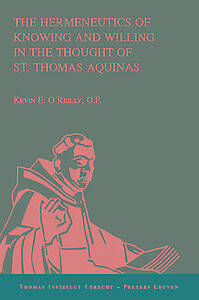
The Hermeneutics of Knowing and Willing in the Thought of St. Thomas Aquinas
Ke O'Reilly
€ 48,00
+ 96 punten
Omschrijving
This study elicits a concern to show forth those elements in the theology of Saint Thomas Aquinas that can menaingfully engage with those trends in contemporary hermeneutical philosophy and theology that highlight the conditioned nature of human understanding. The main point of reference in this regard os the hermeneutical philosophy of Hans-Georg Gadamer. At the heart of this hermeneutical enterprise is Thomas's construal of the relationship between intellect and will, a relationship that can be described as one of dynamic reciprocity. A dynamic interaction between intellect and will obtains in both their natural and graced operations. Hence, the title of this book, The Hermeneutics of Knowing and Willing in the Thought of St. Thomas Aquinas. Some might be concerned that the notion of hermeneutics will import the spectre of relativism into Thomas's thought. By guiding the reader through Thomas's doctrine of man as made to the image of the Trinity, his Trinitarian theology, his Christology, and his treatment of grace, the theological virtues of faith and charity, and the Gifts of the Holy Spirit, the author shows how Thomas in fact offers us resources for a theological hermeneutics of objectivity. The criteria for this objectivity, so the author argues, are Trinitarian, Christological, Pneumatological, ecclesial, and Scriptural. It is to be hoped that this book will be read not only by those who have a particular interest in Thomas's theology but also by theologians outside of the Thomistic tradition, particularly those interested in hermeneutics.
Specificaties
Betrokkenen
- Auteur(s):
- Uitgeverij:
Inhoud
- Aantal bladzijden:
- 319
- Taal:
- Engels
- Reeks:
- Reeksnummer:
- nr. 15
Eigenschappen
- Productcode (EAN):
- 9789042930339
- Verschijningsdatum:
- 10/12/2013
- Uitvoering:
- Paperback
- Formaat:
- Trade paperback (VS)
- Afmetingen:
- 160 mm x 239 mm
- Gewicht:
- 521 g


Alleen bij Standaard Boekhandel
+ 96 punten op je klantenkaart van Standaard Boekhandel
Cadeau

AANGERADEN


Beoordelingen
We publiceren alleen reviews die voldoen aan de voorwaarden voor reviews. Bekijk onze voorwaarden voor reviews.