


- Afhalen na 1 uur in een winkel met voorraad
- Gratis thuislevering in België vanaf € 30
- Ruim aanbod met 7 miljoen producten
- Afhalen na 1 uur in een winkel met voorraad
- Gratis thuislevering in België vanaf € 30
- Ruim aanbod met 7 miljoen producten





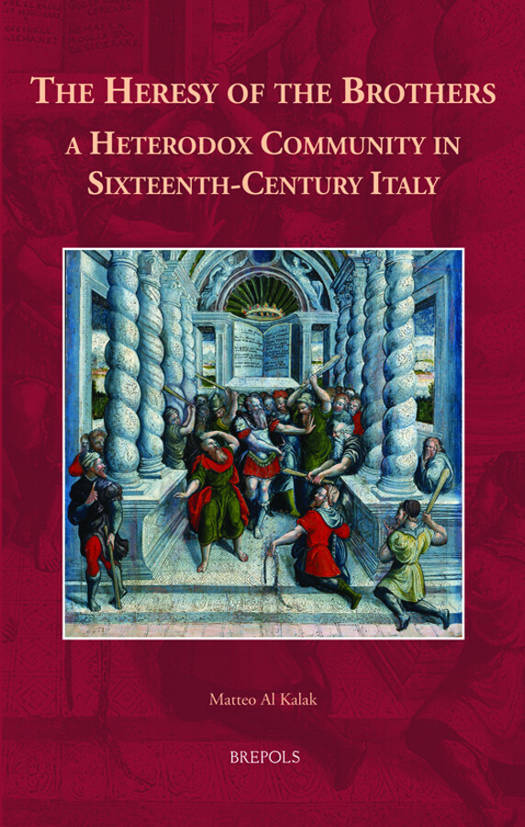
The Heresy of the Brothers, a Heterodox Community in Sixteenth-Century Italy
Matteo Al Kalak
€ 79,50
+ 159 punten
Omschrijving
Around the mid-sixteenth century, one of the largest Italian heterodox communities developed in Modena: the community of 'Brothers'. At the beginning of the century, a flourishing humanistic tradition had inspired protests against the authority of the Church and had led many of the city's prominent figures to sympathize with Luther and the Reformation. Over the following decades, such positions became more extreme: most of the 'Brothers' held radical convictions, ranging from belief in predestination to contestation of the Antichrist pope. In some cases, the 'Brothers' even went so far as to deny the value of baptism. This heterodox community in Modena created a hidden network for the free expression of its reformed faith. Within twenty years, however, the election of Pope Pius V (1566-1572) and the consolidation of the Holy Office led to a harsh campaign to disperse dissenters in the city. Despite the protection of illustrious members of the Roman Catholic hierarchy, the bishops of Modena, and the dukes of Ferrara, the Holy Office succeeded in repressing the community. The history of the 'Brothers' of Modena therefore provides a case study for understanding how the Inquisition influenced the balance of religious Italy, changing the face of the Peninsula forever.
Specificaties
Betrokkenen
- Auteur(s):
- Uitgeverij:
Inhoud
- Aantal bladzijden:
- 221
- Taal:
- Engels
- Reeks:
- Reeksnummer:
- nr. 28
Eigenschappen
- Productcode (EAN):
- 9782503593296
- Verschijningsdatum:
- 24/03/2022
- Uitvoering:
- Hardcover
- Formaat:
- Genaaid
- Gewicht:
- 5887 g


Alleen bij Standaard Boekhandel
+ 159 punten op je klantenkaart van Standaard Boekhandel
Cadeau

AANGERADEN


Beoordelingen
We publiceren alleen reviews die voldoen aan de voorwaarden voor reviews. Bekijk onze voorwaarden voor reviews.