


- Afhalen na 1 uur in een winkel met voorraad
- Gratis thuislevering in België vanaf € 30
- Ruim aanbod met 7 miljoen producten
- Afhalen na 1 uur in een winkel met voorraad
- Gratis thuislevering in België vanaf € 30
- Ruim aanbod met 7 miljoen producten





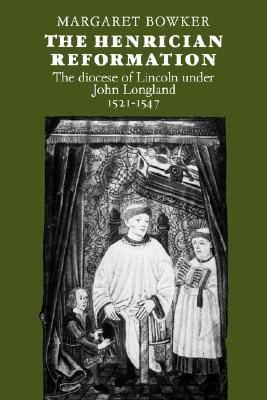
The Henrician Reformation
The Diocese of Lincoln Under John Longland 1521-1547
Margaret Bowker
Paperback | Engels
€ 80,95
+ 161 punten
Uitvoering
Omschrijving
John Longland, confessor to Henry VIII and bishop of Lincoln - a diocese which spanned nine counties and has a correspondingly important place in English history - occupied his see throughout the period of the Henrician Reformation. In her analysis of the diocese during his episcopate, based on exhaustive research in archives, Margaret Bowker reveals the impact of both royal policy and religious contention on the clergy and laity of a large part of England, and on the ecclesiastical structure of the diocese. The state of the Church and the reforms which are in progress within it during the decade before the Reformation are first discussed. Mrs Bowker then looks in detail at the effects of the break with Rome, and the royal policies associated with it, on the monasteries, the clergy, and the religious life of the diocese. Her account includes statistical analyses of both clergy and laity which will become essential reference material for future work on the English Reformation.
Specificaties
Betrokkenen
- Auteur(s):
- Uitgeverij:
Inhoud
- Aantal bladzijden:
- 252
- Taal:
- Engels
Eigenschappen
- Productcode (EAN):
- 9780521068291
- Verschijningsdatum:
- 10/07/2008
- Uitvoering:
- Paperback
- Formaat:
- Trade paperback (VS)
- Afmetingen:
- 152 mm x 229 mm
- Gewicht:
- 371 g


Alleen bij Standaard Boekhandel
+ 161 punten op je klantenkaart van Standaard Boekhandel
Cadeau

AANGERADEN


Beoordelingen
We publiceren alleen reviews die voldoen aan de voorwaarden voor reviews. Bekijk onze voorwaarden voor reviews.