


- Afhalen na 1 uur in een winkel met voorraad
- Gratis thuislevering in België vanaf € 30
- Ruim aanbod met 7 miljoen producten
- Afhalen na 1 uur in een winkel met voorraad
- Gratis thuislevering in België vanaf € 30
- Ruim aanbod met 7 miljoen producten





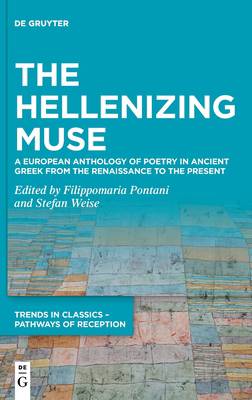
The Hellenizing Muse
A European Anthology of Poetry in Ancient Greek from the Renaissance to the Present
€ 215,45
+ 430 punten
Omschrijving
Traditionally, the history of Ancient Greek literature ends with Antiquity: after the fall of Rome, the literary works in ancient Greek generally belong to the domain of the Byzantine Empire. However, after the Byzantine refugees restored the knowledge of Ancient Greek in the west during the early humanistic period (15th century), Italian scholars (and later their French, German, Spanish colleagues) started to use Greek, a purely literary language that no one spoke, for their own texts and poems. This habit persisted with various ups and downs throughout the centuries, according to the development of Greek studies in each country. The aim of this anthology - the first one of this kind - is to give a selective overview of this kind of humanistic poetry in Ancient Greek, embracing all major regions of Europe and trying to concentrate on remarkable pieces of important poets. The ultimate goal of the book is to shed light on an important and so far mostly neglected aspect of the European heritage.
Specificaties
Betrokkenen
- Uitgeverij:
Inhoud
- Aantal bladzijden:
- 840
- Taal:
- Engels, Oudgrieks
- Reeks:
- Reeksnummer:
- nr. 6
Eigenschappen
- Productcode (EAN):
- 9783110641233
- Verschijningsdatum:
- 8/11/2021
- Uitvoering:
- Hardcover
- Formaat:
- Genaaid
- Afmetingen:
- 160 mm x 234 mm
- Gewicht:
- 1292 g

Alleen bij Standaard Boekhandel
+ 430 punten op je klantenkaart van Standaard Boekhandel
Cadeau

AANGERADEN


Beoordelingen
We publiceren alleen reviews die voldoen aan de voorwaarden voor reviews. Bekijk onze voorwaarden voor reviews.