


- Afhalen na 1 uur in een winkel met voorraad
- Gratis thuislevering in België vanaf € 30
- Ruim aanbod met 7 miljoen producten
- Afhalen na 1 uur in een winkel met voorraad
- Gratis thuislevering in België vanaf € 30
- Ruim aanbod met 7 miljoen producten





€ 0,49
Uitvoering
Eenvoudig bestellen
Veilig betalen


Onmiddellijk geleverd via e-mail
Omschrijving
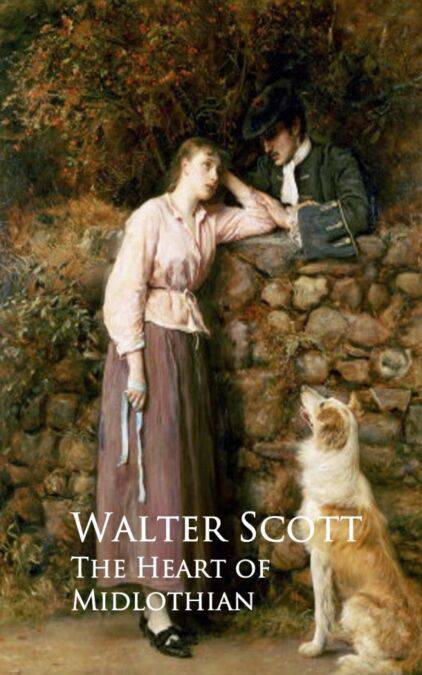
The Heart of Midlothian is the seventh of Sir Walter Scott's Waverley Novels. It was originally published in four volumes on 25 July 1818, under the title of Tales of My Landlord, 2nd series, and the author was given as "Jedediah Cleishbotham, Schoolmaster and Parish-clerk of Gandercleugh". Although the identity of the author of the Waverley Novels was well known by this time, Scott still chose to write under a pseudonym. The book was released only seven months after the highly successful Rob Roy. Scott was at the time recovering from illness, and wrote at an even more furious pace than usual. When the book was released, it more than matched the popularity of his last novel.
The Heart of Midlothian is often regarded as Scott's finest novel. Much of the dialogue is in Lowland Scots, and some editions carry a glossary.
The Heart of Midlothian is often regarded as Scott's finest novel. Much of the dialogue is in Lowland Scots, and some editions carry a glossary.
Specificaties
Betrokkenen
- Auteur(s):
- Uitgeverij:
Inhoud
- Aantal bladzijden:
- 500
- Taal:
- Engels
Eigenschappen
- Productcode (EAN):
- 9783736410367
- Verschijningsdatum:
- 27/08/2016
- Uitvoering:
- E-book
- Beveiligd met:
- Digital watermarking
- Formaat:
- ePub



Alleen bij Standaard Boekhandel
CADEAU

AANGERADEN


Beoordelingen
We publiceren alleen reviews die voldoen aan de voorwaarden voor reviews. Bekijk onze voorwaarden voor reviews.