


- Afhalen na 1 uur in een winkel met voorraad
- Gratis thuislevering in België vanaf € 30
- Ruim aanbod met 7 miljoen producten
- Afhalen na 1 uur in een winkel met voorraad
- Gratis thuislevering in België vanaf € 30
- Ruim aanbod met 7 miljoen producten




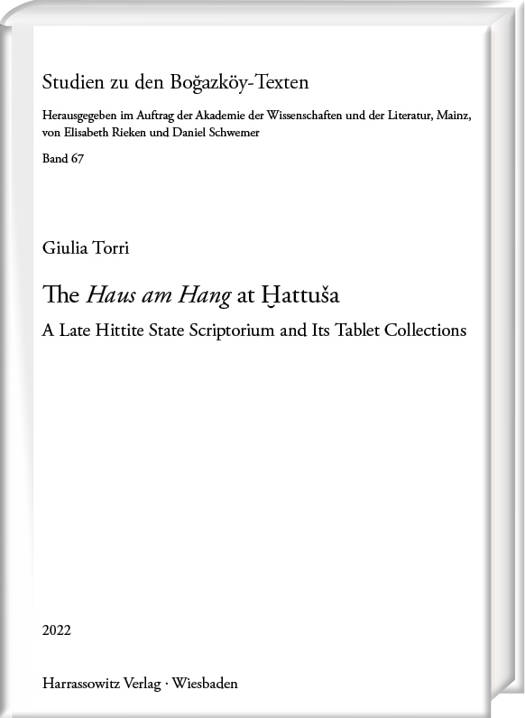
The 'Haus Am Hang' at Hattusa
A Late Hittite State Scriptorium and Its Tablet Collections
Giulia Torri
€ 184,95
+ 369 punten
Omschrijving
During the first excavations in Lower City of Hattusa, conducted by H. Winckler and Th. Makridi in 1907, Makridi discovered a palace built east of the main Temple. The building was later named Haus am Hang (House on the Slope, HaH) because it leaned on the terraces leading up to the royal palace on Buyukkale. Several fragments of clay tablets in cuneiform script were discovered within and around the building during this period and in the following archaeological investigations until the 1960s. These text fragments exemplified the various text typologies produced by Hittite scribes. Giulia Torri's research focuses on this collection of texts in search of the original criteria for its organization inside the building and provides a new approach in outlining the cultural environment in which the Hittite texts were produced: As a first step, the range of information about the discovery and the find-spots of the fragments is analyzed and contextualised (Part I). In the second part the texts, classified according to their content as administrative texts, chancellery texts, and texts of the scribal tradition, are collected, studied, and compared with their duplicate versions from other locations, with the aim of showing how the Hittite scribes composed and preserved them in this area of the Lower City (Part II).
Specificaties
Betrokkenen
- Auteur(s):
- Uitgeverij:
Inhoud
- Aantal bladzijden:
- 306
- Taal:
- Engels
- Reeks:
- Reeksnummer:
- nr. 67
Eigenschappen
- Productcode (EAN):
- 9783447116213
- Verschijningsdatum:
- 02/02/2022
- Uitvoering:
- Hardcover
- Formaat:
- Genaaid
- Afmetingen:
- 178 mm x 23 mm
- Gewicht:
- 467 g


Alleen bij Standaard Boekhandel
+ 369 punten op je klantenkaart van Standaard Boekhandel

Beoordelingen
We publiceren alleen reviews die voldoen aan de voorwaarden voor reviews. Bekijk onze voorwaarden voor reviews.