



- Afhalen na 1 uur in een winkel met voorraad
- In januari gratis thuislevering in België
- Ruim aanbod met 7 miljoen producten
- Afhalen na 1 uur in een winkel met voorraad
- In januari gratis thuislevering in België
- Ruim aanbod met 7 miljoen producten





Omschrijving
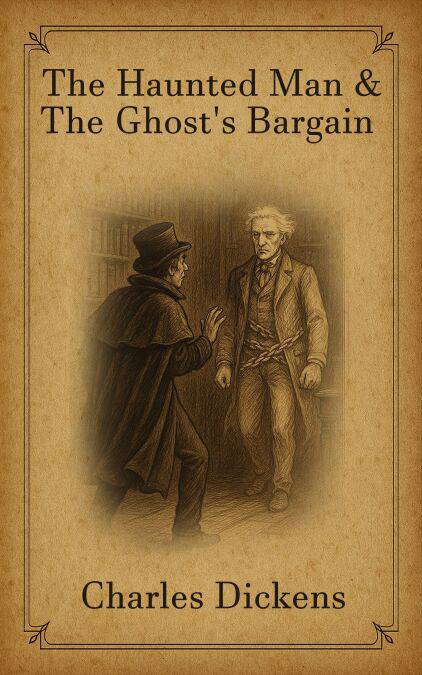
The Haunted Man and the Ghost's Bargain is a haunting and thought-provoking novella by Charles Dickens that explores memory, suffering, and the moral consequences of escaping pain. As the final entry in Dickens's Christmas books, the story blends supernatural elements with deep psychological and social insight.
The narrative follows Professor Redlaw, a learned but emotionally tormented man who is visited by a mysterious phantom—his own spectral double. The ghost offers Redlaw a dangerous gift: the ability to forget all painful memories and regrets. Believing this release will free him from sorrow, Redlaw accepts the bargain, unaware of its far-reaching effects.
As the power spreads to others around him, the loss of memory leads not to peace, but to emotional emptiness, cruelty, and moral confusion. Through these chilling consequences, Dickens reveals that suffering and remembrance are essential to empathy, compassion, and human connection. Pain, the novel suggests, is inseparable from growth and moral responsibility.
The Haunted Man and the Ghost's Bargain is a powerful meditation on the nature of memory and forgiveness. Darker in tone than Dickens's other Christmas tales, it delivers a profound message about the necessity of shared human suffering. Rich in symbolism and moral depth, the story remains a compelling and unsettling classic that asks whether forgetting our past would truly make us better—or less human.
The narrative follows Professor Redlaw, a learned but emotionally tormented man who is visited by a mysterious phantom—his own spectral double. The ghost offers Redlaw a dangerous gift: the ability to forget all painful memories and regrets. Believing this release will free him from sorrow, Redlaw accepts the bargain, unaware of its far-reaching effects.
As the power spreads to others around him, the loss of memory leads not to peace, but to emotional emptiness, cruelty, and moral confusion. Through these chilling consequences, Dickens reveals that suffering and remembrance are essential to empathy, compassion, and human connection. Pain, the novel suggests, is inseparable from growth and moral responsibility.
The Haunted Man and the Ghost's Bargain is a powerful meditation on the nature of memory and forgiveness. Darker in tone than Dickens's other Christmas tales, it delivers a profound message about the necessity of shared human suffering. Rich in symbolism and moral depth, the story remains a compelling and unsettling classic that asks whether forgetting our past would truly make us better—or less human.
Specificaties
Betrokkenen
- Auteur(s):
- Uitgeverij:
Inhoud
- Aantal bladzijden:
- 116
- Taal:
- Engels
Eigenschappen
- Productcode (EAN):
- 9786037660561
- Verschijningsdatum:
- 4/02/2026
- Uitvoering:
- E-book
- Beveiligd met:
- Digital watermarking
- Formaat:
- ePub


Alleen bij Standaard Boekhandel
Cadeau

AANGERADEN


Beoordelingen
We publiceren alleen reviews die voldoen aan de voorwaarden voor reviews. Bekijk onze voorwaarden voor reviews.