


- Afhalen na 1 uur in een winkel met voorraad
- Gratis thuislevering in België vanaf € 30
- Ruim aanbod met 7 miljoen producten
- Afhalen na 1 uur in een winkel met voorraad
- Gratis thuislevering in België vanaf € 30
- Ruim aanbod met 7 miljoen producten





€ 2,99
+ 2 punten
Omschrijving
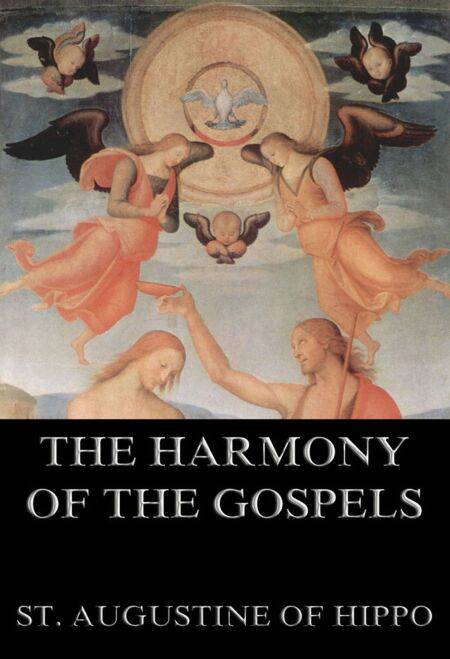
Book I. The treatise opens with a short statement on the subject of the authority of the Evangelists, their number, their order, and the different plans of their narratives. Augustine then prepares for the discussion of the questions relating to their harmony, by joining issue in this book with those who raise a difficulty in the circumstance that Christ has left no writing of His own, or who falsely allege that certain books were composed by Him on the arts of magic. He also meets the objections of those who, in opposition to the evangelical teaching, assert that the disciples of Christ at once ascribe more to their Master than He really was, when they affirmed that He was God, and inculcated what they had not been instructed in by Him, when they interdicted the worship of the gods. Against these antagonists he vindicates the teaching of the Apostles, by appealing to the utterances of the Prophets, and by showing that the God of Israel was to be the sole object of worship, who also, although He was the only Deity to whom acceptance was denied in former times by the Romans, and that for the very reason that He prohibited them from worshipping other gods along with Himself, has now in the end made the Empire of Rome subject to His Name, and among all nations has broken their idols in pieces through the preaching of the Gospel, as He had promised by His prophets that the event should be.
Book II. In this book Augustine undertakes an orderly examination of the Gospel according to Matthew, on to the narrative of the Supper, and institutes a comparison between it and the other Gospels by Mark, Luke, and John, with the view of demonstrating a complete harmony between the four Evangelists throughout all these sections.
Book III.
Book II. In this book Augustine undertakes an orderly examination of the Gospel according to Matthew, on to the narrative of the Supper, and institutes a comparison between it and the other Gospels by Mark, Luke, and John, with the view of demonstrating a complete harmony between the four Evangelists throughout all these sections.
Book III.
Specificaties
Betrokkenen
- Auteur(s):
- Vertaler(s):
- Uitgeverij:
Inhoud
- Aantal bladzijden:
- 373
- Taal:
- Engels
Eigenschappen
- Productcode (EAN):
- 9783849621063
- Verschijningsdatum:
- 20/07/2012
- Uitvoering:
- E-book
- Beveiligd met:
- Digital watermarking
- Formaat:
- ePub


Alleen bij Standaard Boekhandel
+ 2 punten op je klantenkaart van Standaard Boekhandel
Cadeau

AANGERADEN


Beoordelingen
We publiceren alleen reviews die voldoen aan de voorwaarden voor reviews. Bekijk onze voorwaarden voor reviews.