


- Afhalen na 1 uur in een winkel met voorraad
- Gratis thuislevering in België vanaf € 30
- Ruim aanbod met 7 miljoen producten
- Afhalen na 1 uur in een winkel met voorraad
- Gratis thuislevering in België vanaf € 30
- Ruim aanbod met 7 miljoen producten





Omschrijving
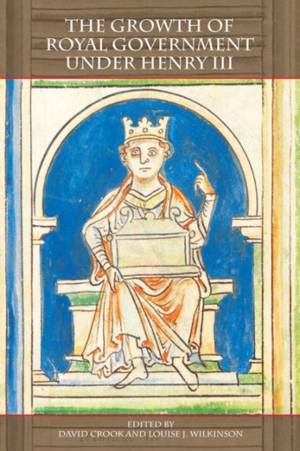
The thirteenth century saw major developments in England's administration, as the procedures and processes of government expanded rapidly, the principles enshrined in Magna Carta became embedded, knights and burgesses were summoned to Parliament for the first time, and nothing short of a political revolution took place. The essays here draw on material available for the first time via the completion of the project to calendar all the Fine Rolls of Henry III; these rolls comprise the last series of records of the English Chancery from that period to become readily available in a convenient form, thereby transforming access to several important fields of research, including financial, legal, political and social issues. The volume covers topics including the evidential value of the fine rolls themselves and their wider significance for the English polity, developments in legal and financial administration, the roles of women and the church, and the fascinating details of the development of the office of escheator. Related or parallel developments in Scotland, Wales and Ireland are also dealt with, giving a broader British dimension. Louise J. Wilkinson is Professor of Medieval History, Canterbury Christ Church University; David Crook is Honorary Research Fellow at the National Archives and the University of Notthingham. Contributors: Nick Barratt, Paul Brand, David Carpenter, David Crook, Paul Dryburgh, Beth Hartland, Philippa Hoskin, Charles Insley, Adrian Jobson, Tony Moore, Alice Taylor, Nicholas Vincent, Scott Waugh, Louise Wilkinson
Specificaties
Betrokkenen
- Uitgeverij:
Inhoud
- Aantal bladzijden:
- 302
- Taal:
- Engels
Eigenschappen
- Productcode (EAN):
- 9781783270675
- Verschijningsdatum:
- 15/10/2015
- Uitvoering:
- Hardcover
- Formaat:
- Genaaid
- Afmetingen:
- 156 mm x 234 mm
- Gewicht:
- 603 g

Alleen bij Standaard Boekhandel
+ 418 punten op je klantenkaart van Standaard Boekhandel

Beoordelingen
We publiceren alleen reviews die voldoen aan de voorwaarden voor reviews. Bekijk onze voorwaarden voor reviews.