


- Afhalen na 1 uur in een winkel met voorraad
- Gratis thuislevering in België vanaf € 30
- Ruim aanbod met 7 miljoen producten
- Afhalen na 1 uur in een winkel met voorraad
- Gratis thuislevering in België vanaf € 30
- Ruim aanbod met 7 miljoen producten





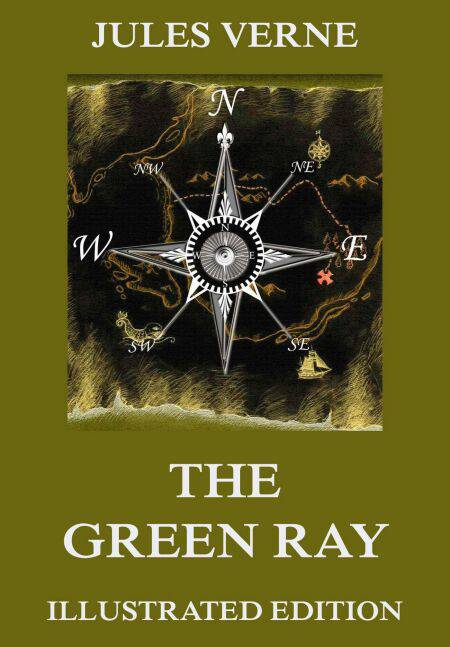
Omschrijving
"The Green Ray" is in Jules Verne's best manner: it contains some of the impossibilites raisonnets which are at once his distinguishing characteristic and the secret of his world wide popularity. Most of the marvels or impossibilities in "The Green Ray " are to be found in the picture there presented to us of Scottish names, manners and costumes. It will hardly be denied that such a Scotch family name as "Ursiclos," and such clans as the clan "McDouglas" and " the clan "Melville," are sufficiently impossible ; nor can it be counted as anything less than a marvel for a lowland gentleman's butler to wait at dinner and perform all his other duties clad in the "garb of old Gaul!" But these and innumerable errors of the same kind are all due, apparently, to a fixed idea on the part of M. Verne that all Scotchmen are Highlanders. The story is a perfect setting for the admirable descriptions of Scotch scenery which are the best feature in the book. The illustrations, too, are unusually good, and, together with the beautiful type and delicately toned paper, greatly enhance the charms of the little volume.
Specificaties
Betrokkenen
- Auteur(s):
- Illustrator(s):
- Vertaler(s):
- Uitgeverij:
Inhoud
- Aantal bladzijden:
- 188
- Taal:
- Engels
Eigenschappen
- Productcode (EAN):
- 9783849645861
- Verschijningsdatum:
- 19/10/2014
- Uitvoering:
- E-book
- Beveiligd met:
- Digital watermarking
- Formaat:
- ePub


Alleen bij Standaard Boekhandel
Cadeau

AANGERADEN


Beoordelingen
We publiceren alleen reviews die voldoen aan de voorwaarden voor reviews. Bekijk onze voorwaarden voor reviews.