


- Afhalen na 1 uur in een winkel met voorraad
- Gratis thuislevering in België vanaf € 30
- Ruim aanbod met 7 miljoen producten
- Afhalen na 1 uur in een winkel met voorraad
- Gratis thuislevering in België vanaf € 30
- Ruim aanbod met 7 miljoen producten




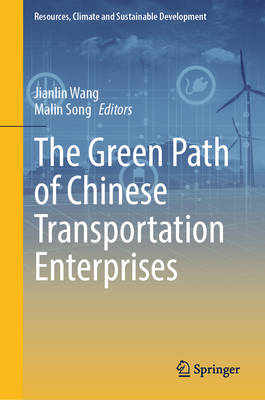
The Green Path of Chinese Transportation Enterprises
€ 305,45
+ 610 punten
Omschrijving
This book approaches the subject matter of China's transportation enterprises' green development through a systematic, cross-industry framework that integrates policy analysis, market dynamics, technological innovation, and international comparisons. It transcends siloed sectoral studies by examining multiple transportation domains--including road, rail, water, civil aviation, pipeline, and urban rail transit--through unified lenses of eco-economic transformation. The methodology begins with a comprehensive mapping of each sector's policy ecosystem, dissecting how national strategies like the "Double Carbon" goals and sector-specific regulations shape green transitions. It quantifies market scales and growth trajectories in empirical data. For each industry, this book assesses technological advancements--from new energy vehicle adoption in road transport to electrified rail networks--and their impact on operational efficiency and environmental sustainability. A distinctive approach is its cross-sectoral comparative analysis, which identifies synergies and transferable practices. For instance, it examines how electrification strategies in high-speed rail and smart automation in ports both drive energy efficiency, highlighting commonalities in green innovation across modes.
Specificaties
Betrokkenen
- Uitgeverij:
Inhoud
- Aantal bladzijden:
- 365
- Taal:
- Engels
- Reeks:
Eigenschappen
- Productcode (EAN):
- 9789819552887
- Verschijningsdatum:
- 24/02/2026
- Uitvoering:
- Hardcover
- Formaat:
- Genaaid
- Afmetingen:
- 156 mm x 234 mm
- Gewicht:
- 707 g

Alleen bij Standaard Boekhandel
+ 610 punten op je klantenkaart van Standaard Boekhandel
CADEAU

AANGERADEN


Beoordelingen
We publiceren alleen reviews die voldoen aan de voorwaarden voor reviews. Bekijk onze voorwaarden voor reviews.