


- Afhalen na 1 uur in een winkel met voorraad
- Gratis thuislevering in België vanaf € 30
- Ruim aanbod met 7 miljoen producten
- Afhalen na 1 uur in een winkel met voorraad
- Gratis thuislevering in België vanaf € 30
- Ruim aanbod met 7 miljoen producten




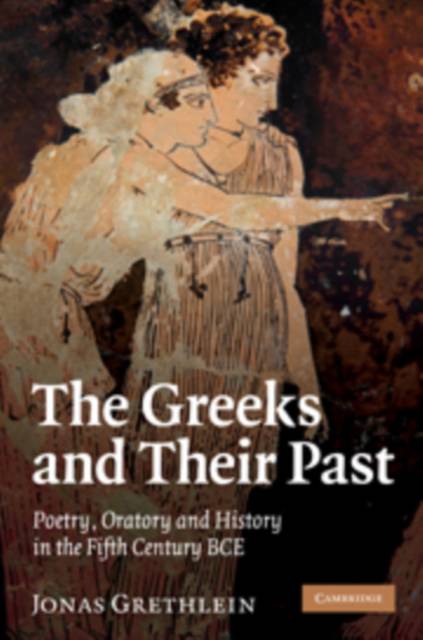
The Greeks and Their Past
Poetry, Oratory and History in the Fifth Century Bce
Jonas Grethlein
Hardcover | Engels
€ 220,95
+ 441 punten
Uitvoering
Omschrijving
Ancient Greeks remembered their past before the rise of historiography and after it poetry and oratory continued to serve commemorative functions. This book explores the field of literary memory in the fifth century BCE, juxtaposing the works of Herodotus and Thucydides with samples from epinician poetry, elegy, tragedy and oratory. Various socio-political contexts and narrative forms lent themselves to the expression of diverse attitudes towards the past. At the same time, a common gravitational centre can be observed which is distinct from modern ideas of history. As well as presenting a broad overview on memory in various genres, Professor Grethlein sheds new light on the rise of Greek historiography. He views Herodotus and Thucydides against the background of memory in poetry and oratory and thereby elucidates the tension between tradition and continuity in which the shaping of historiography as a genre took place.
Specificaties
Betrokkenen
- Auteur(s):
- Uitgeverij:
Inhoud
- Aantal bladzijden:
- 364
- Taal:
- Engels
Eigenschappen
- Productcode (EAN):
- 9780521110778
- Verschijningsdatum:
- 4/02/2010
- Uitvoering:
- Hardcover
- Formaat:
- Genaaid
- Afmetingen:
- 155 mm x 229 mm
- Gewicht:
- 612 g


Alleen bij Standaard Boekhandel
+ 441 punten op je klantenkaart van Standaard Boekhandel
Cadeau

AANGERADEN


Beoordelingen
We publiceren alleen reviews die voldoen aan de voorwaarden voor reviews. Bekijk onze voorwaarden voor reviews.