


- Afhalen na 1 uur in een winkel met voorraad
- Gratis thuislevering in België vanaf € 30
- Ruim aanbod met 7 miljoen producten
- Afhalen na 1 uur in een winkel met voorraad
- Gratis thuislevering in België vanaf € 30
- Ruim aanbod met 7 miljoen producten





€ 53,45
+ 106 punten
Uitvoering
Omschrijving
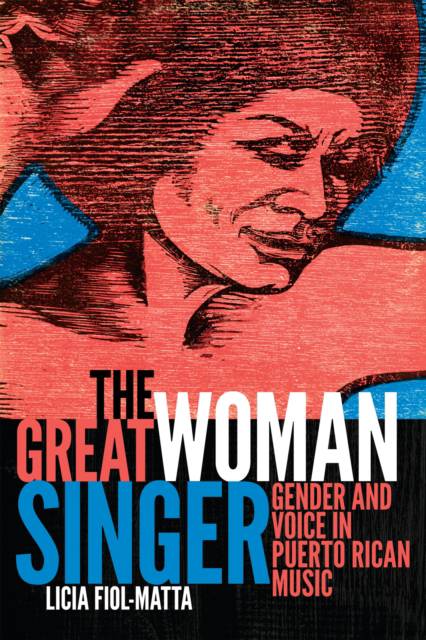
Licia Fiol-Matta traces the careers of four iconic Puerto Rican singers-Myrta Silva, Ruth Fernández, Ernestina Reyes, and Lucecita Benítez-to explore how their voices and performance style transform the possibilities for comprehending the figure of the woman singer. Fiol-Matta shows how these musicians, despite seemingly intractable demands to represent gender norms, exercised their artistic and political agency by challenging expectations of how they should look, sound, and act. Fiol-Matta also breaks with conceptualizations of the female pop voice as spontaneous and intuitive, interrogating the notion of "the great woman singer" to deploy her concept of the "thinking voice"-an event of music, voice, and listening that rewrites dominant narratives. Anchored in the work of Lacan, Foucault, and others, Fiol-Matta's theorization of voice and gender in The Great Woman Singer makes accessible the singing voice's conceptual dimensions while revealing a dynamic archive of Puerto Rican and Latin American popular music.
Specificaties
Betrokkenen
- Auteur(s):
- Uitgeverij:
Inhoud
- Aantal bladzijden:
- 312
- Taal:
- Engels
- Reeks:
Eigenschappen
- Productcode (EAN):
- 9780822362937
- Verschijningsdatum:
- 3/02/2017
- Uitvoering:
- Paperback
- Formaat:
- Trade paperback (VS)
- Afmetingen:
- 152 mm x 226 mm
- Gewicht:
- 408 g


Alleen bij Standaard Boekhandel
+ 106 punten op je klantenkaart van Standaard Boekhandel
Cadeau

AANGERADEN


Beoordelingen
We publiceren alleen reviews die voldoen aan de voorwaarden voor reviews. Bekijk onze voorwaarden voor reviews.