


- Afhalen na 1 uur in een winkel met voorraad
- Gratis thuislevering in België vanaf € 30
- Ruim aanbod met 7 miljoen producten
- Afhalen na 1 uur in een winkel met voorraad
- Gratis thuislevering in België vanaf € 30
- Ruim aanbod met 7 miljoen producten





€ 137,80
+ 275 punten
Omschrijving
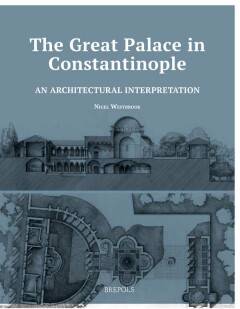
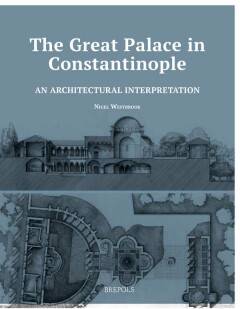
The Byzantine Great Palace, located adjacent to the Hagia Sophia, is arguably the most important Western complex to have disappeared from the architectural archive. Despite this absence, it may be argued that the representational halls of the palace - crown halls, basilicas, and reception halls or triclinia - served as models for the ascription of imperial symbolism, and for emulation by rival political centres. In a later phase of its existence, Byzantine emperors, in turn, looked to the example of Islamic palaces in constructing settings for diplomatic exchange. While the Great Palace has been studied through the archaeological record and Byzantine texts, its form remains a matter of conjecture, however in this study, a novel focus upon the operation of ascription of meaning applied to architectural forms, and their emulation in later architecture will enable a sense of how the forms of the palace were understood by their inhabitants and their clients and visiting emissaries. Through comparative analysis of both emulative models and copies, this study proposes a hypothesis of the layout of the complex both in its physical and social contexts.
Specificaties
Betrokkenen
- Auteur(s):
- Uitgeverij:
Inhoud
- Aantal bladzijden:
- 333
- Taal:
- Engels
- Reeks:
- Reeksnummer:
- nr. 2
Eigenschappen
- Productcode (EAN):
- 9782503568355
- Verschijningsdatum:
- 1/09/2020
- Uitvoering:
- Paperback
- Formaat:
- Trade paperback (VS)
- Afmetingen:
- 218 mm x 279 mm
- Gewicht:
- 1419 g


Alleen bij Standaard Boekhandel
+ 275 punten op je klantenkaart van Standaard Boekhandel
Cadeau

AANGERADEN


Beoordelingen
We publiceren alleen reviews die voldoen aan de voorwaarden voor reviews. Bekijk onze voorwaarden voor reviews.