Standaard Boekhandel gebruikt cookies en gelijkaardige technologieën om de website goed te laten werken en je een betere surfervaring te bezorgen.
Hieronder kan je kiezen welke cookies je wilt inschakelen:
Technische en functionele cookies
Deze cookies zijn essentieel om de website goed te laten functioneren, en laten je toe om bijvoorbeeld in te loggen. Je kan deze cookies niet uitschakelen.
Analytische cookies
Deze cookies verzamelen anonieme informatie over het gebruik van onze website. Op die manier kunnen we de website beter afstemmen op de behoeften van de gebruikers.
Marketingcookies
Deze cookies delen je gedrag op onze website met externe partijen, zodat je op externe platformen relevantere advertenties van Standaard Boekhandel te zien krijgt.
Je cadeautjes zeker op tijd in huis hebben voor de feestdagen? Kom langs in onze winkels en vind het perfecte geschenk!
Afhalen na 1 uur in een winkel met voorraad
Gratis thuislevering in België vanaf € 30
Ruim aanbod met 7 miljoen producten
Je cadeautjes zeker op tijd in huis hebben voor de feestdagen? Kom langs in onze winkels en vind het perfecte geschenk!
Je kan maximaal 250 producten tegelijk aan je winkelmandje toevoegen. Verwijdere enkele producten uit je winkelmandje, of splits je bestelling op in meerdere bestellingen.
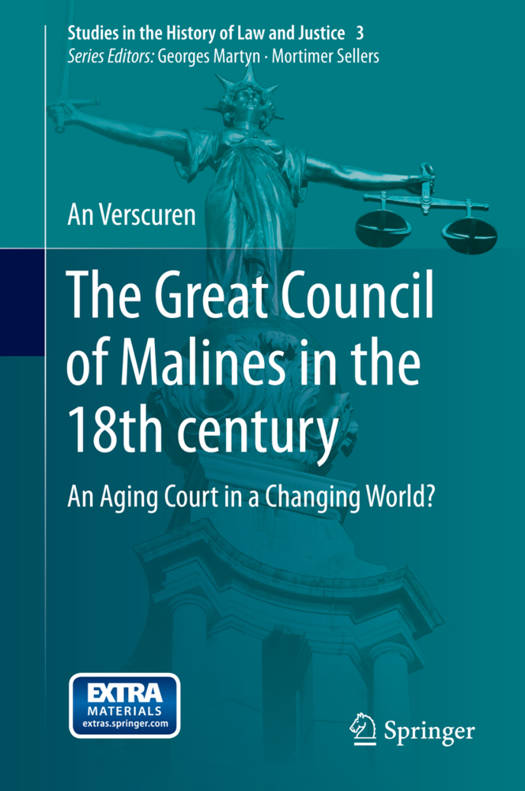
This work studies the Great Council of Malines as an institution. It analyzes the Council's internal organization and staff policy, its position within the broader society of the Austrian Netherlands, the volume and nature of litigation at the Council and its final years and ultimate demise in the late 18th and early 19th century. By means of this institutional study, this volume provides insight into the role played by the Great Council in the process of state-building in the 18th century Austrian Netherlands. While superior courts were once considered to be the prime agencies of change in the Early Modern Period, tools par excellence for the sovereigns' striving towards centralization and superiority, their position in the 18th century has so far been barely touched upon. This work focuses specifically on the 18th century supreme court of the Austrian Netherlands and provides a broad overview with attention to other aspects of the tribunal's functioning and to its role in 18th century attempts at state formation.