


- Afhalen na 1 uur in een winkel met voorraad
- Gratis thuislevering in België vanaf € 30
- Ruim aanbod met 7 miljoen producten
- Afhalen na 1 uur in een winkel met voorraad
- Gratis thuislevering in België vanaf € 30
- Ruim aanbod met 7 miljoen producten





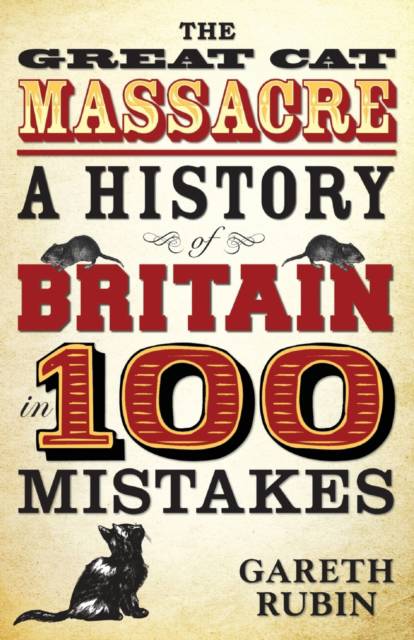
The Great Cat Massacre - A History of Britain in 100 Mistakes
A History of Britain in 100 Mistakes
Gareth Rubin
Paperback | Engels
€ 18,95
+ 37 punten
Omschrijving
In 1914 a train pulled into a provincial British railway station. The porter, a curious chap, asked the regiment of soldiers where they were from. 'Ross-shire, ' one called down, but the porter heard 'Russia'. And so began a rumour that led to Germany losing the First World War. Often the history we learn at school is only half the story. We hear of heroic deeds and visionary leaders, but we never hear about the people who turned up late for court and thereby changed the law, or who stood in the wrong queue at university and accidentally won a Nobel Prize. The Great Cat Massacre: A History of Britain in 100 Mistakes demonstrates that the nation is as much a product of error as design. Through chapters on religion, law, culture, war, science and politiME, it reveals such things as how an edict from Pope Gregory IX helped spread the Black Death, how the sister of cricketer John Willes invented overarm bowling, and how, had a letter not been lost, Disraeli might never have become prime minister. This book is history told through human failings, schoolboy errors, bad luck and extraordinary consequences; a history of mishearing, misdiagnosis and misinterpretation - a history that you won't find in the textbooks.
Specificaties
Betrokkenen
- Auteur(s):
- Uitgeverij:
Inhoud
- Aantal bladzijden:
- 288
- Taal:
- Engels
Eigenschappen
- Productcode (EAN):
- 9781782197683
- Verschijningsdatum:
- 8/05/2014
- Uitvoering:
- Paperback
- Formaat:
- Trade paperback (VS)
- Afmetingen:
- 130 mm x 196 mm
- Gewicht:
- 204 g


Alleen bij Standaard Boekhandel
+ 37 punten op je klantenkaart van Standaard Boekhandel

Beoordelingen
We publiceren alleen reviews die voldoen aan de voorwaarden voor reviews. Bekijk onze voorwaarden voor reviews.