


- Afhalen na 1 uur in een winkel met voorraad
- Gratis thuislevering in België vanaf € 30
- Ruim aanbod met 7 miljoen producten
- Afhalen na 1 uur in een winkel met voorraad
- Gratis thuislevering in België vanaf € 30
- Ruim aanbod met 7 miljoen producten





€ 47,70
+ 95 punten
Omschrijving
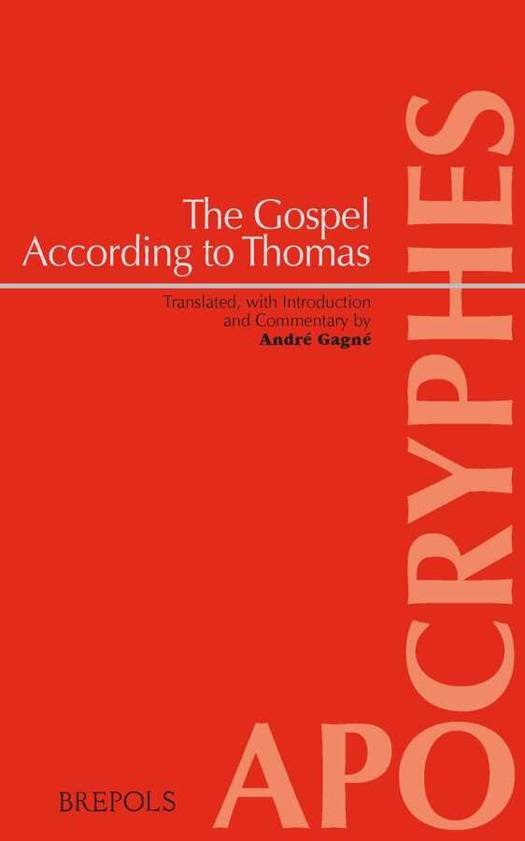
The Gospel According to Thomas is a collection of 114 sayings of Jesus attributed to a certain Didymus Judas Thomas. For scholars, the text has much to offer for the study of early Christian literature, history, and theology. This enigmatic collection of sayings is part of a series of tractates in the Nag Hammadi Codices which were found in Egypt in 1945. Since the discovery of the Gospel According to Thomas, scholars have endeavoured to uncover the place of writing and the sources of these sayings, which in some cases are similar to those found in the synoptic gospels and other New Testament writings, as well as in several early Christian texts. Without neglecting nor negating this important historical research on the Gospel According to Thomas, this new introduction, translation, and commentary focuses on another aspect that has been given less attention in scholarship, that of a synchronic reading and interpretation of the text. The main question we have is: What does the Gospel According to Thomas actually mean?
Specificaties
Betrokkenen
- Auteur(s):
- Uitgeverij:
Inhoud
- Aantal bladzijden:
- 274
- Taal:
- Engels
- Reeks:
- Reeksnummer:
- nr. 16
Eigenschappen
- Productcode (EAN):
- 9782503584904
- Verschijningsdatum:
- 20/06/2019
- Uitvoering:
- Paperback
- Formaat:
- Trade paperback (VS)
- Afmetingen:
- 119 mm x 188 mm
- Gewicht:
- 249 g


Alleen bij Standaard Boekhandel
+ 95 punten op je klantenkaart van Standaard Boekhandel
Cadeau

AANGERADEN


Beoordelingen
We publiceren alleen reviews die voldoen aan de voorwaarden voor reviews. Bekijk onze voorwaarden voor reviews.