


- Afhalen na 1 uur in een winkel met voorraad
- Gratis thuislevering in België vanaf € 30
- Ruim aanbod met 7 miljoen producten
- Afhalen na 1 uur in een winkel met voorraad
- Gratis thuislevering in België vanaf € 30
- Ruim aanbod met 7 miljoen producten





€ 49,95
+ 99 punten
Omschrijving
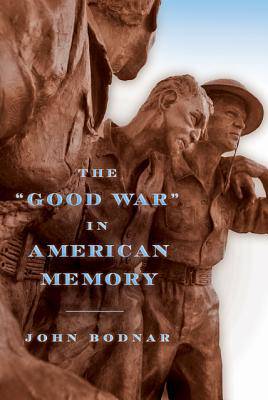
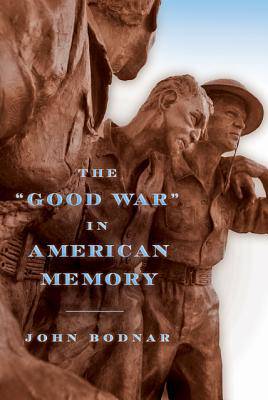
The "Good War" in American Memory dispels the long-held myth that Americans forged an agreement on why they had to fight in World War II. John Bodnar's sociocultural examination of the vast public debate that took place in the United States over the war's meaning reveals that the idea of the "good war" was highly contested. Bodnar's comprehensive study of the disagreements that marked the American remembrance of World War II in the six decades following its end draws on an array of sources: fiction and nonfiction, movies, theater, and public monuments. He identifies alternative strands of memory-tragic and brutal versus heroic and virtuous-and reconstructs controversies involving veterans, minorities, and memorials. In building this narrative, Bodnar shows how the idealism of President Franklin Roosevelt's Four Freedoms was lost in the public commemoration of World War II, how the war's memory became intertwined in the larger discussion over American national identity, and how it only came to be known as the "good war" many years after its conclusion.
Specificaties
Betrokkenen
- Auteur(s):
- Uitgeverij:
Inhoud
- Aantal bladzijden:
- 320
- Taal:
- Engels
Eigenschappen
- Productcode (EAN):
- 9781421405827
- Verschijningsdatum:
- 21/12/2011
- Uitvoering:
- Paperback
- Formaat:
- Trade paperback (VS)
- Afmetingen:
- 153 mm x 229 mm
- Gewicht:
- 471 g


Alleen bij Standaard Boekhandel
+ 99 punten op je klantenkaart van Standaard Boekhandel
Cadeau

AANGERADEN


Beoordelingen
We publiceren alleen reviews die voldoen aan de voorwaarden voor reviews. Bekijk onze voorwaarden voor reviews.