


- Afhalen na 1 uur in een winkel met voorraad
- Gratis thuislevering in België vanaf € 30
- Ruim aanbod met 7 miljoen producten
- Afhalen na 1 uur in een winkel met voorraad
- Gratis thuislevering in België vanaf € 30
- Ruim aanbod met 7 miljoen producten





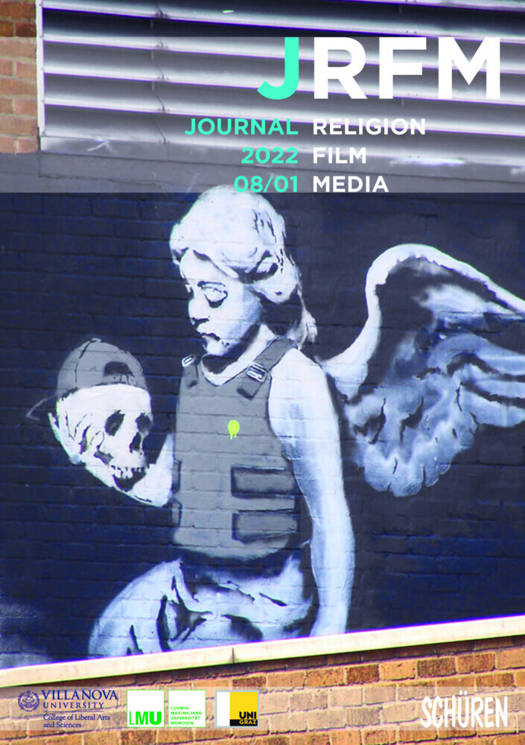
The Good, the Bad and the Ugly
Theoretical and Methodological Challenges in Media Ethics and Religion
€ 16,95
+ 33 punten
Omschrijving
Today the dramas of world politics and a global economy continue to be represented and reconstructed on television and the Internet: as the Ukrainian athletes arrive in the stadium during the opening ceremony of the Olympic Winter Games in Beijing, Putin sleeps. China flexes its will to have absolute control over even a virus, and on the border between Ukraine and Russia, the latter amasses its military might. During all of these events on the political and economic world stage, the flame of Olympia remains lit, symbolising peace and traditionally dedicated to the Greek goddess Hestia, who protects family harmony. Religion and the media play a crucial role in this performance: the ancient religious ritual should guarantee that the tradition of international understanding and peace continues - at least during the Olympic Games - while these events are represented and reconstructed by the media. The current issue presents four contributions that discuss media ethics and religion from different perspectives.
Specificaties
Betrokkenen
- Uitgeverij:
Inhoud
- Taal:
- Engels
- Reeks:
Eigenschappen
- Productcode (EAN):
- 9783741004230
- Uitvoering:
- Paperback
- Afmetingen:
- 155 mm x 11 mm
- Gewicht:
- 268 g

Alleen bij Standaard Boekhandel
+ 33 punten op je klantenkaart van Standaard Boekhandel
Cadeau

AANGERADEN


Beoordelingen
We publiceren alleen reviews die voldoen aan de voorwaarden voor reviews. Bekijk onze voorwaarden voor reviews.