


- Afhalen na 1 uur in een winkel met voorraad
- Gratis thuislevering in België vanaf € 30
- Ruim aanbod met 7 miljoen producten
- Afhalen na 1 uur in een winkel met voorraad
- Gratis thuislevering in België vanaf € 30
- Ruim aanbod met 7 miljoen producten




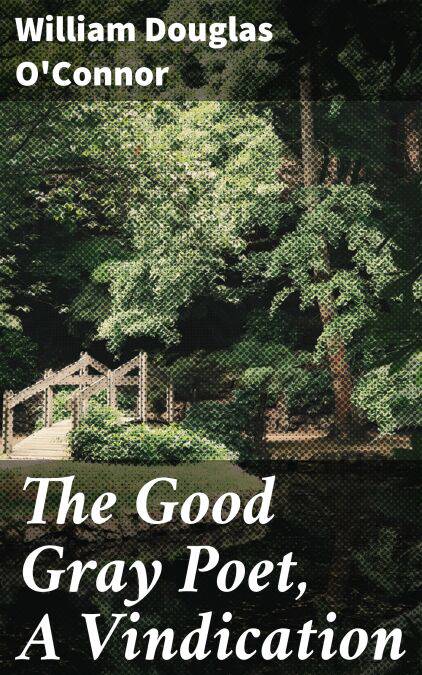
The Good Gray Poet, A Vindication E-BOOK
Unveiling the Poetic Legacy: A Scholarly Exploration of Walt Whitman's Literary Influence
William Douglas O'Connor
E-book | Engels
€ 1,99
+ 1 punten
Uitvoering
Omschrijving
In "The Good Gray Poet: A Vindication," William Douglas O'Connor presents a compelling defense of Walt Whitman, positioning him as a monumental figure in American poetry. O'Connor's eloquent prose weaves together biographical insights, critical analysis, and passionate advocacy for Whitman's unique voice, which challenges conventional poetic forms and embraces an expansive view of humanity. His literary style is marked by fervor and emotive language, reflecting the Transcendentalist ethos of the mid-19th century while carving out a distinctive niche that both celebrates and critiques the cultural landscape of his time. Through this vindication, O'Connor engages in a broader dialogue about the role of the poet in society and the importance of embracing vulnerability and personal identity in art. William Douglas O'Connor, a fervent admirer of Whitman, was deeply influenced by the social upheavals and cultural shifts of his era. As a writer, editor, and literary critic, O'Connor's connection to Whitman's work is intimately tied to his own experiences of defiance against societal norms. This advocacy emerges amid the controversy surrounding "Leaves of Grass," as O'Connor aims to clarify Whitman's intent and misapprehensions surrounding his unconventional themes and forms. His position as both an insider and advocate positions this book as a pivotal piece within the discourse on American literature. "The Good Gray Poet: A Vindication" is essential reading for anyone seeking a deeper understanding of Walt Whitman and his contributions to the literary canon. O'Connor's impassioned defense not only elucidates Whitman's groundbreaking techniques but also highlights the universal themes of love, nature, and identity within his work. This book is a valuable resource for students, scholars, and lovers of poetry who wish to engage with the complexities of an enduring American icon.
Specificaties
Betrokkenen
- Auteur(s):
- Uitgeverij:
Inhoud
- Aantal bladzijden:
- 45
- Taal:
- Engels
Eigenschappen
- Productcode (EAN):
- 4064066094881
- Verschijningsdatum:
- 18/05/2021
- Uitvoering:
- E-book
- Beveiligd met:
- Digital watermarking
- Formaat:
- ePub


Alleen bij Standaard Boekhandel
+ 1 punten op je klantenkaart van Standaard Boekhandel
Cadeau

AANGERADEN


Beoordelingen
We publiceren alleen reviews die voldoen aan de voorwaarden voor reviews. Bekijk onze voorwaarden voor reviews.