


- Afhalen na 1 uur in een winkel met voorraad
- Gratis thuislevering in België vanaf € 30
- Ruim aanbod met 7 miljoen producten
- Afhalen na 1 uur in een winkel met voorraad
- Gratis thuislevering in België vanaf € 30
- Ruim aanbod met 7 miljoen producten





€ 134,45
+ 268 punten
Uitvoering
Omschrijving
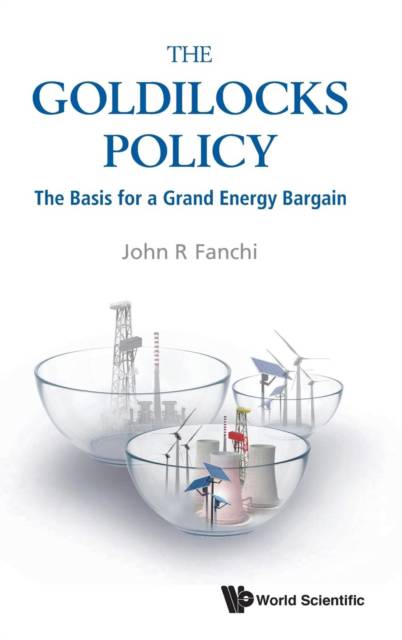
This book makes the case for a grand energy bargain that recognizes the need to protect the environment from the combustion of fossil fuels while protecting the national and global economies during the transition from fossil fuels to sustainable energy. Our future energy mix depends on choices we make, which depends, in turn, on energy policy. Society is continuing a trend toward decarbonization: the reduction in the relative amount of carbon in combustible fuels. The 21st century energy mix will depend on technological advances, including some advances that cannot be anticipated, and on choices made by society. There are competing visions for reaching a sustainable energy mix. If the energy transition is too fast, it could significantly damage the global economy. If the energy transition is too slow, damage to the environment could be irreversible. The ""Goldilocks Policy for Energy Transition"" is designed to establish a middle ground between these competing visions. We need the duration of the energy transition to be just right; we need to adopt a reasonable plan of action that reduces uncertainty for businesses and innovators with predictable public policy while simultaneously minimizing environmental impact. The question of climate change is still unsettled, but enough is known to motivate a transition away from fossil fuels. The transition does not have to be abrupt and catastrophic, however. Historical energy transitions can be a guide to a reasonable duration for making an orderly transition. If we exercise discipline and patience, we can overcome the obstacles to successful implementation of a grand energy bargain.
Specificaties
Betrokkenen
- Auteur(s):
- Uitgeverij:
Inhoud
- Aantal bladzijden:
- 228
- Taal:
- Engels
Eigenschappen
- Productcode (EAN):
- 9789813276390
- Verschijningsdatum:
- 24/02/2019
- Uitvoering:
- Hardcover
- Formaat:
- Genaaid
- Afmetingen:
- 152 mm x 229 mm
- Gewicht:
- 476 g


Alleen bij Standaard Boekhandel
+ 268 punten op je klantenkaart van Standaard Boekhandel
CADEAU

AANGERADEN


Beoordelingen
We publiceren alleen reviews die voldoen aan de voorwaarden voor reviews. Bekijk onze voorwaarden voor reviews.