


- Afhalen na 1 uur in een winkel met voorraad
- Gratis thuislevering in België vanaf € 30
- Ruim aanbod met 7 miljoen producten
- Afhalen na 1 uur in een winkel met voorraad
- Gratis thuislevering in België vanaf € 30
- Ruim aanbod met 7 miljoen producten





Omschrijving
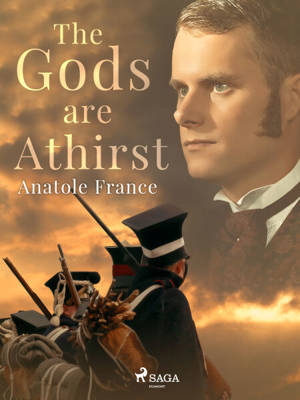
‘The Gods Are Athirst’ (1912) is Nobel laureate Anatole France’s captivating fictional reimagining of the bloody events of the French Revolution. Gamelin, a young idealistic painter who works with his local government in Pont-Neuf finds himself at the epicentre of the Terror when he is appointed as a juror on the Revolutionary Tribunal. Swept through a procession of unjust trials, Gamelin must reckon with his actions as he determines the fates of those closest to him. As he turns drunk with power and vengeance, Gamelin’s actions set forth a violent and horrific chain of events that end only with blood.
‘The Gods Are Athirst’ is a brilliant but horrifying depiction of how fear and a warped sense of justice only serve to bring chaos. A masterpiece in its own right, ‘The Gods Are Athirst’ is an essential read for anyone interested in French history or looking for a gripping tale of the fall of the man and the cost of vengeance.
François-Anatole Thibault (1844 – 1924), better known as Anatole France, was a French journalist, poet, novelist, and Nobel laureate for literature. Spending much of his early life in his father’s bookshop, France quickly rose to prominence as a respected author of over 25 works. A French Classicist writer with a style reminiscent of Voltaire and Fénélon, France’s work has a strong preoccupation with scepticism and hedonism. He is best remembered for his classic French novels ‘La Rôtisserie de la Reine Pédauque’ (1893) and ‘Le Crime de Sylvestre Bonnard’ (1881). France’s works have had an historic legacy, and he is recognised today as one of France’s most prominent authors.
‘The Gods Are Athirst’ is a brilliant but horrifying depiction of how fear and a warped sense of justice only serve to bring chaos. A masterpiece in its own right, ‘The Gods Are Athirst’ is an essential read for anyone interested in French history or looking for a gripping tale of the fall of the man and the cost of vengeance.
François-Anatole Thibault (1844 – 1924), better known as Anatole France, was a French journalist, poet, novelist, and Nobel laureate for literature. Spending much of his early life in his father’s bookshop, France quickly rose to prominence as a respected author of over 25 works. A French Classicist writer with a style reminiscent of Voltaire and Fénélon, France’s work has a strong preoccupation with scepticism and hedonism. He is best remembered for his classic French novels ‘La Rôtisserie de la Reine Pédauque’ (1893) and ‘Le Crime de Sylvestre Bonnard’ (1881). France’s works have had an historic legacy, and he is recognised today as one of France’s most prominent authors.
Specificaties
Betrokkenen
- Auteur(s):
- Vertaler(s):
- Uitgeverij:
Inhoud
- Aantal bladzijden:
- 124
- Taal:
- Engels
Eigenschappen
- Productcode (EAN):
- 9788728137376
- Verschijningsdatum:
- 6/06/2023
- Uitvoering:
- E-book
- Beveiligd met:
- Digital watermarking
- Formaat:
- ePub


Alleen bij Standaard Boekhandel
+ 1 punten op je klantenkaart van Standaard Boekhandel

Beoordelingen
We publiceren alleen reviews die voldoen aan de voorwaarden voor reviews. Bekijk onze voorwaarden voor reviews.