



Bedankt voor het vertrouwen het afgelopen jaar! Om jou te bedanken bieden we GRATIS verzending (in België) aan op alles gedurende de hele maand januari.
- Afhalen na 1 uur in een winkel met voorraad
- In januari gratis thuislevering in België
- Ruim aanbod met 7 miljoen producten
Bedankt voor het vertrouwen het afgelopen jaar! Om jou te bedanken bieden we GRATIS verzending (in België) aan op alles gedurende de hele maand januari.
- Afhalen na 1 uur in een winkel met voorraad
- In januari gratis thuislevering in België
- Ruim aanbod met 7 miljoen producten





Omschrijving
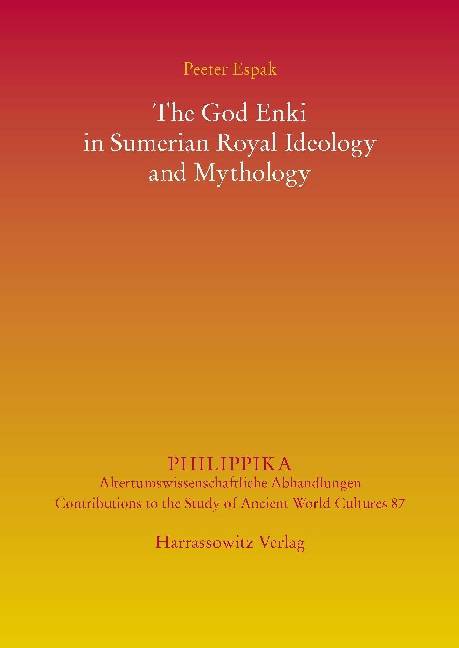
This study analyzes the divine concept of the Sumero-Akkadian deity Enki in its literary and mythological development through different periods of Mesopotamian history. Sumerian myths and theology related to the god Enki are influential throughout the history of the Ancient Near East. Several mythological motives from the Sumerian cultural area later reach the creation stories of the Old Testament and beyond. Through the Biblical narratives the ancient Sumerian mythology of Enki reaches the later Christian world, and therefore this mythology has become a part of the collective memory and culture of the present day world. Seven chapters give a diachronical overview of the relevant source materials (royal inscriptions, hymns, etc.) related to the god Enki and other close divine figures and religious phenomena from the period of about 2500-1700 BC. The last two chapters concentrate on the aspects of comparative mythology and archaic Sumerian religion. The relations of Enki and the Mother Goddess in the Mesopotamian religion and YHWH and Eve in the Old Testament are briefly analyzed. Some aspects about the decline of the cult of the Mother Goddess and several details of the political history of the Ancient Near East reflected in the relevant texts are discussed in the book. It is claimed that there is no direct conflict between the theologies of Nippur and Eridu (Enlil and Enki), at least when analyzing the available source material.
Specificaties
Betrokkenen
- Auteur(s):
- Uitgeverij:
Inhoud
- Aantal bladzijden:
- 235
- Taal:
- Engels
- Reeks:
- Reeksnummer:
- nr. 87
Eigenschappen
- Productcode (EAN):
- 9783447104128
- Verschijningsdatum:
- 28/05/2015
- Uitvoering:
- Paperback
- Formaat:
- Trade paperback (VS)
- Afmetingen:
- 170 mm x 239 mm
- Gewicht:
- 498 g


Alleen bij Standaard Boekhandel
+ 235 punten op je klantenkaart van Standaard Boekhandel
SOLDEN


Beoordelingen
We publiceren alleen reviews die voldoen aan de voorwaarden voor reviews. Bekijk onze voorwaarden voor reviews.