


- Afhalen na 1 uur in een winkel met voorraad
- Gratis thuislevering in België vanaf € 30
- Ruim aanbod met 7 miljoen producten
- Afhalen na 1 uur in een winkel met voorraad
- Gratis thuislevering in België vanaf € 30
- Ruim aanbod met 7 miljoen producten





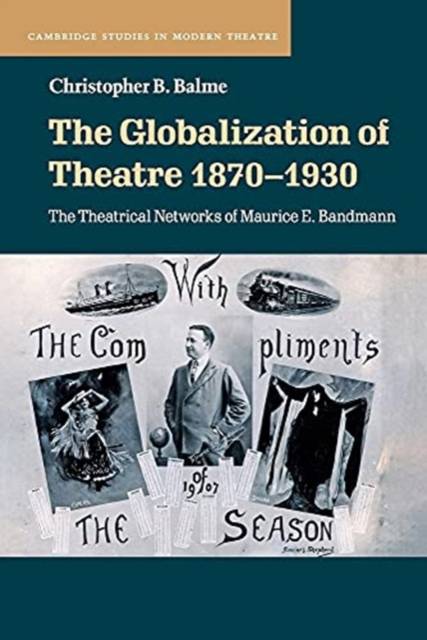
The Globalization of Theatre 1870-1930
The Theatrical Networks of Maurice E. Bandmann
Christopher B Balme
€ 67,95
+ 135 punten
Uitvoering
Omschrijving
Between 1895 and 1922 the Anglo-American actor and manager, Maurice E. Bandmann (1872-1922) created a theatrical circuit that extended from Gibraltar to Tokyo and included regular tours to the West Indies and South America. With headquarters in Calcutta and Cairo and companies listed on the Indian stock exchange, his operations represent a significant shift towards the globalization of theatre. This study focuses on seven key areas: family networks; the business of theatrical touring; the politics of locality; repertoire and publics; an ethnography of itinerant acting; legal disputes and the provision of theatrical infrastructure. It draws on global and transnational history, network theory and analysis as well as in-depth archival research to provide a new approach to studying theatre in the age of empire.
Specificaties
Betrokkenen
- Auteur(s):
- Uitgeverij:
Inhoud
- Aantal bladzijden:
- 290
- Taal:
- Engels
- Reeks:
Eigenschappen
- Productcode (EAN):
- 9781108738200
- Verschijningsdatum:
- 30/09/2021
- Uitvoering:
- Paperback
- Formaat:
- Trade paperback (VS)
- Afmetingen:
- 152 mm x 229 mm
- Gewicht:
- 394 g


Alleen bij Standaard Boekhandel
+ 135 punten op je klantenkaart van Standaard Boekhandel
Cadeau

AANGERADEN


Beoordelingen
We publiceren alleen reviews die voldoen aan de voorwaarden voor reviews. Bekijk onze voorwaarden voor reviews.