


- Afhalen na 1 uur in een winkel met voorraad
- Gratis thuislevering in België vanaf € 30
- Ruim aanbod met 7 miljoen producten
- Afhalen na 1 uur in een winkel met voorraad
- Gratis thuislevering in België vanaf € 30
- Ruim aanbod met 7 miljoen producten





€ 20,95
+ 41 punten
Eenvoudig bestellen
Veilig betalen


Gratis thuislevering vanaf € 30 (via bpost)
Gratis levering in je Standaard Boekhandel
Omschrijving
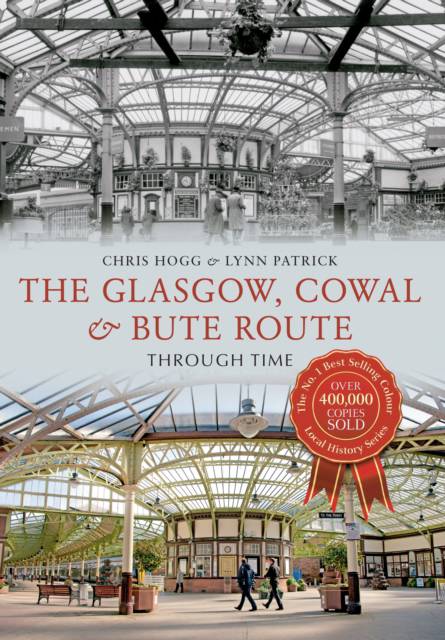
The Glasgow, Cowal & Bute Route follows the development of the railways on the southern shores of the River Clyde, describing their influence on life in the towns and resorts of the river and Firth. The book also examines shipping, steamboats, ferries and tramways during a journey westwards from Glasgow via Paisley, Bishopton, Langbank, Port Glasgow, Greenock, Gourock and Inverkip to Wemyss Bay, the Cowal Peninsula and the Isle of Bute. The Clyde, once famous for its heavy industry and shipbuilding, was also the playground for thousands of Glaswegians who left the noise and grime of the city behind to venture 'doon the watter'. Meanwhile, the wealthy moved out to the large houses in the beautiful and peaceful surroundings of the Firth. The river played a significant role in the Second World War, with troopships of GIs training on its shores.
Specificaties
Betrokkenen
- Auteur(s):
- Uitgeverij:
Inhoud
- Aantal bladzijden:
- 96
- Taal:
- Engels
- Reeks:
Eigenschappen
- Productcode (EAN):
- 9781445621081
- Verschijningsdatum:
- 15/09/2014
- Uitvoering:
- Paperback
- Formaat:
- Trade paperback (VS)
- Afmetingen:
- 165 mm x 234 mm
- Gewicht:
- 308 g


Alleen bij Standaard Boekhandel
+ 41 punten op je klantenkaart van Standaard Boekhandel
CADEAU

AANGERADEN


Beoordelingen
We publiceren alleen reviews die voldoen aan de voorwaarden voor reviews. Bekijk onze voorwaarden voor reviews.