


- Afhalen na 1 uur in een winkel met voorraad
- Gratis thuislevering in België vanaf € 30
- Ruim aanbod met 7 miljoen producten
- Afhalen na 1 uur in een winkel met voorraad
- Gratis thuislevering in België vanaf € 30
- Ruim aanbod met 7 miljoen producten





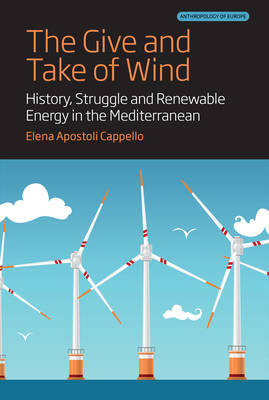
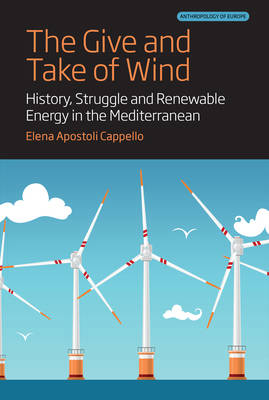
The Give and Take of Wind
History, Struggle and Renewable Energy in the Mediterranean
Elena Apostoli Cappello
€ 193,45
+ 386 punten
Omschrijving
Approaching European transitional politics from an ethnographic perspective, The Give and Take of Wind focuses on the practices, frameworks and alternative strategies of those who resist the EU Green Deal. The book examines identity constructs related to territorial sovereignty, public participation and the (consequent) redefinition of the political sphere. By examining Sardinia and the meta-island San Pietro, this book analyses if energy transitions represent a horizon of possible change for communities or whether it is experienced as the imposition of development models. The political and identity-driven nature of such opposition challenges anthropology and other social sciences to elucidate a phenomenon that affects Europe and beyond.
Specificaties
Betrokkenen
- Auteur(s):
- Uitgeverij:
Inhoud
- Aantal bladzijden:
- 194
- Taal:
- Engels
- Reeks:
- Reeksnummer:
- nr. 11
Eigenschappen
- Productcode (EAN):
- 9781836954286
- Verschijningsdatum:
- 1/03/2026
- Uitvoering:
- Hardcover
- Formaat:
- Bibliotheekbinding
- Afmetingen:
- 152 mm x 229 mm
- Gewicht:
- 426 g


Alleen bij Standaard Boekhandel
+ 386 punten op je klantenkaart van Standaard Boekhandel
Cadeau

AANGERADEN


Beoordelingen
We publiceren alleen reviews die voldoen aan de voorwaarden voor reviews. Bekijk onze voorwaarden voor reviews.