


- Afhalen na 1 uur in een winkel met voorraad
- Gratis thuislevering in België vanaf € 30
- Ruim aanbod met 7 miljoen producten
- Afhalen na 1 uur in een winkel met voorraad
- Gratis thuislevering in België vanaf € 30
- Ruim aanbod met 7 miljoen producten





€ 64,95
+ 129 punten
Omschrijving
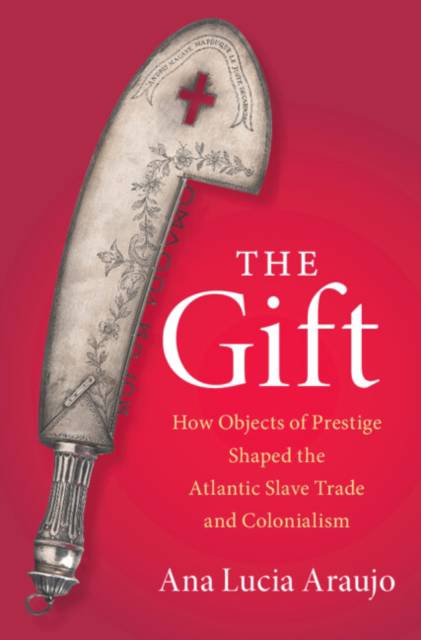
The Gift explores how objects of prestige contributed to cross-cultural exchanges between Africans and Europeans during the Atlantic slave trade. An eighteenth-century silver ceremonial sword, commissioned in the port of La Rochelle by French traders, was offered as a gift to an African commercial agent in the port of Cabinda (Kingdom of Ngoyo), in twenty-first century Angola. Slave traders carried this object from Cabinda to Abomey, the capital of the Kingdom of Dahomey in twenty-first century's Republic of Benin, from where French officers looted the item in the late nineteenth century. Drawing on a rich set of sources in French, English, and Portuguese, as well as artifacts housed in museums across Europe and the Americas, Ana Lucia Araujo illuminates how luxury objects impacted European-African relations, and how these economic, cultural, and social interactions paved the way for the European conquest and colonization of West Africa and West Central Africa.
Specificaties
Betrokkenen
- Auteur(s):
- Uitgeverij:
Inhoud
- Aantal bladzijden:
- 246
- Taal:
- Engels
- Reeks:
Eigenschappen
- Productcode (EAN):
- 9781108839297
- Verschijningsdatum:
- 16/11/2023
- Uitvoering:
- Hardcover
- Formaat:
- Genaaid
- Afmetingen:
- 152 mm x 230 mm
- Gewicht:
- 521 g


Alleen bij Standaard Boekhandel
+ 129 punten op je klantenkaart van Standaard Boekhandel
Cadeau

AANGERADEN


Beoordelingen
We publiceren alleen reviews die voldoen aan de voorwaarden voor reviews. Bekijk onze voorwaarden voor reviews.