


- Afhalen na 1 uur in een winkel met voorraad
- Gratis thuislevering in België vanaf € 30
- Ruim aanbod met 7 miljoen producten
- Afhalen na 1 uur in een winkel met voorraad
- Gratis thuislevering in België vanaf € 30
- Ruim aanbod met 7 miljoen producten





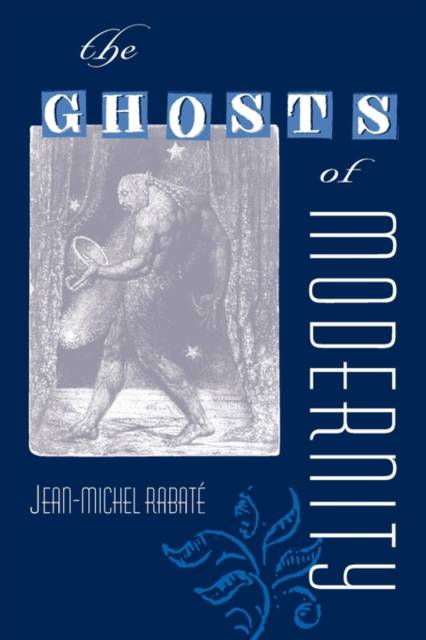
The Ghosts of Modernity
Jean-Michel Rabate
€ 42,95
+ 85 punten
Omschrijving
Jean-Michel Rabaté, the eminent French Joycean, combines psychoanalytical and philosophical concepts in rereading the history of modernity to give a more precise meaning to the term "modernism." Rabaté focuses throughout on a single theme, the ghostly nature of modernity. In writing a history of the concept of modernity with the awareness that the radically new has often been subject to the effects of the return of the repressed, Rabaté analyzes the notion of loss in various fields: in Freudian aesthetics of color, in literary history, and in philosophy. The postmodernist fascination with a lost object allows a reconsideration of the boundaries of such terms as "modernism" and "postmodernism." The conclusion ties together all these motifs, from Joyce to Barthes, together and shows their theoretical basis in Marx's criticism of ideology and in Freud's consideration of mourning. From the analysis of "color" as an unthinkable object of discourse to an aesthetics of the unpresentable, Rabaté points to the possibility of an "ethics of mourning," which would seem capable of overcoming the dead end of history whose ending condemns it to eternal repetition. This work will appeal to a wide community of scholars. Its strong French and continental emphasis has application in literary studies, particularly English, French, and comparative studies.
Specificaties
Betrokkenen
- Auteur(s):
- Uitgeverij:
Inhoud
- Aantal bladzijden:
- 288
- Taal:
- Engels
- Reeks:
Eigenschappen
- Productcode (EAN):
- 9780813035642
- Verschijningsdatum:
- 15/12/2010
- Uitvoering:
- Paperback
- Formaat:
- Trade paperback (VS)
- Afmetingen:
- 152 mm x 229 mm
- Gewicht:
- 417 g



Alleen bij Standaard Boekhandel
+ 85 punten op je klantenkaart van Standaard Boekhandel
Cadeau

AANGERADEN


Beoordelingen
We publiceren alleen reviews die voldoen aan de voorwaarden voor reviews. Bekijk onze voorwaarden voor reviews.