


- Afhalen na 1 uur in een winkel met voorraad
- Gratis thuislevering in België vanaf € 30
- Ruim aanbod met 7 miljoen producten
- Afhalen na 1 uur in een winkel met voorraad
- Gratis thuislevering in België vanaf € 30
- Ruim aanbod met 7 miljoen producten




€ 4,99
+ 4 punten
Omschrijving
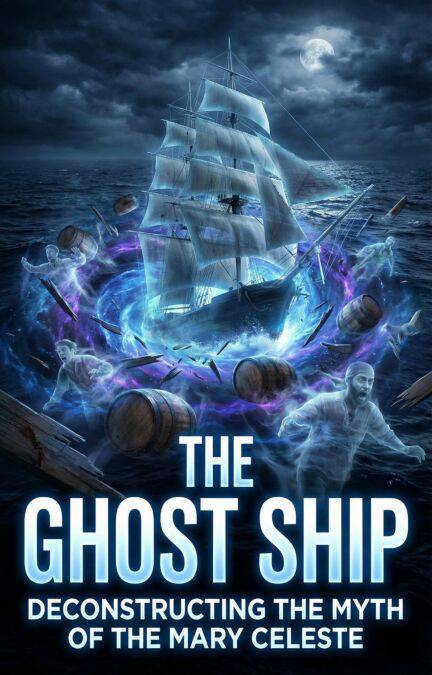
On December 4, 1872, the brigantine Mary Celeste was found drifting in the Atlantic. The sails were set, the cargo was intact, and breakfast was allegedly still on the table. But the crew of ten was gone, never to be seen again. Maritime historian Simon Bell investigates the world's most famous nautical mystery in "The Ghost Ship."
Bell strips away the fiction (giant squids, mutiny, alien abduction) to look at the hard facts from the salvage hearing. He analyzes the ship's cargo—1,700 barrels of industrial alcohol—and the theory that leaking fumes created a fear of explosion, causing the captain to order a temporary evacuation that went tragically wrong.
The book is a forensic reconstruction of a panic at sea. Bell explains how a small error in judgment, combined with a frayed tow line, turned a routine voyage into a ghost story that has haunted the ocean for 150 years.
Bell strips away the fiction (giant squids, mutiny, alien abduction) to look at the hard facts from the salvage hearing. He analyzes the ship's cargo—1,700 barrels of industrial alcohol—and the theory that leaking fumes created a fear of explosion, causing the captain to order a temporary evacuation that went tragically wrong.
The book is a forensic reconstruction of a panic at sea. Bell explains how a small error in judgment, combined with a frayed tow line, turned a routine voyage into a ghost story that has haunted the ocean for 150 years.
Specificaties
Betrokkenen
- Auteur(s):
- Uitgeverij:
Inhoud
- Aantal bladzijden:
- 180
- Taal:
- Engels
Eigenschappen
- Productcode (EAN):
- 9783565221752
- Verschijningsdatum:
- 2/02/2026
- Uitvoering:
- E-book
- Formaat:
- ePub



Alleen bij Standaard Boekhandel
+ 4 punten op je klantenkaart van Standaard Boekhandel
Wedstrijd


Beoordelingen
We publiceren alleen reviews die voldoen aan de voorwaarden voor reviews. Bekijk onze voorwaarden voor reviews.