


- Afhalen na 1 uur in een winkel met voorraad
- Gratis thuislevering in België vanaf € 30
- Ruim aanbod met 7 miljoen producten
- Afhalen na 1 uur in een winkel met voorraad
- Gratis thuislevering in België vanaf € 30
- Ruim aanbod met 7 miljoen producten





€ 70,00
+ 140 punten
Omschrijving
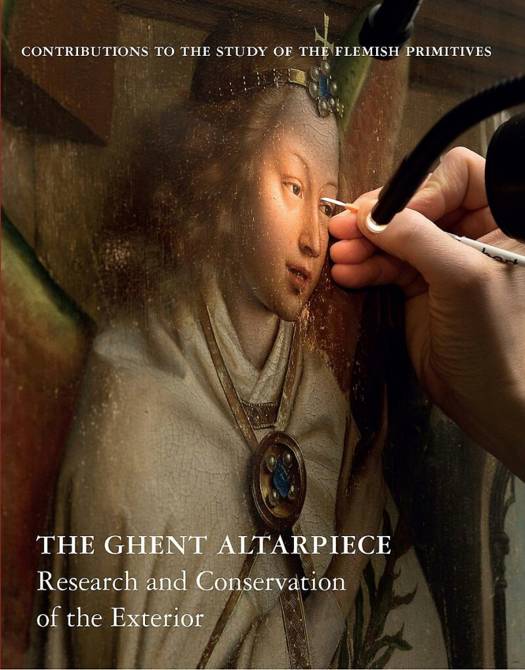
The outer panels of the Ghent Altarpiece had been overpainted to a considerable extent. The virtuosity of the Eyckian technique and aesthetics remained hardly visible. And yet, this had never been observed before the start of the conservation treatment. By removing the overpaint, the tonal richness and the coherent rendering of light and space once again came to the fore. Especially the suggestion of volumes and the spaciousness of the ensemble gained strength because of the virtuoso play of deep shadows and bright light accents, and not in the least because of the surprising trompe-l'oeil effect of the frames conceived as a stone framework. Or to put it in the words of the comments of one of the experts, dr. Maryan Ainsworth: The paintings live and breathe again in the time of the Van Eyck brothers. The sharp observation skills, the quick, accurate execution, the knowledge, curiosity and ingenuity about all the things that are depicted, are now unveiled after centuries. The profit for the knowledge of and further research into the essence of Eyckian aesthetics is considerable. And finally there is the discovery that the much-discussed quatrain was applied simultaneously with the polychromy of the frames: a real 'coup de foudre' in the discourse of the current art-historical research! The subtleties of the Eyckian technique could also be mapped out in more detail. How the Van Eycks managed to keep the final result and the desired effect in mind during every phase of the execution, from imprimatura to finishing touch. The artists made a statement about the art of painting, giving 'technique' as such a new prominence. The Ghent Altarpiece may be understood at some point as a major showpiece for a highly sophisticated pictorial technique.
Specificaties
Betrokkenen
- Auteur(s):
- Uitgeverij:
Inhoud
- Aantal bladzijden:
- 430
- Taal:
- Engels
- Reeks:
- Reeksnummer:
- nr. 14
- Geïllustreerd:
- Ja
Eigenschappen
- Productcode (EAN):
- 9782930054384
- Verschijningsdatum:
- 13/02/2020
- Uitvoering:
- Hardcover
- Formaat:
- Genaaid
- Afmetingen:
- 221 mm x 287 mm
- Gewicht:
- 2177 g


Alleen bij Standaard Boekhandel
+ 140 punten op je klantenkaart van Standaard Boekhandel
Cadeau

AANGERADEN


Beoordelingen
We publiceren alleen reviews die voldoen aan de voorwaarden voor reviews. Bekijk onze voorwaarden voor reviews.