


- Afhalen na 1 uur in een winkel met voorraad
- Gratis thuislevering in België vanaf € 30
- Ruim aanbod met 7 miljoen producten
- Afhalen na 1 uur in een winkel met voorraad
- Gratis thuislevering in België vanaf € 30
- Ruim aanbod met 7 miljoen producten





€ 111,45
+ 222 punten
Uitvoering
Eenvoudig bestellen
Veilig betalen


Gratis thuislevering vanaf € 30 (via bpost)
Gratis levering in je Standaard Boekhandel
Omschrijving
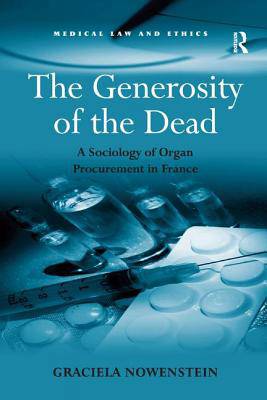
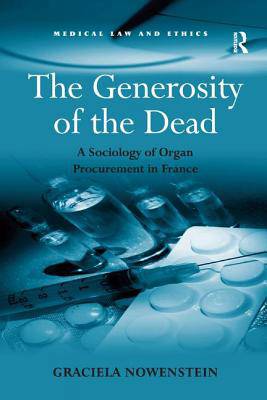
There has been a general assumption in the international debate surrounding organ procurement that Presumed Consent (opting-out) systems produce better results than Express Consent (opting-in) systems. This study uses the French case to challenge this widely held assumption and argues that the French presumed consent systems coexist with patterns of behaviour that in practice do not mobilize the law. It explores four key areas to current research in socio-legal studies focussing on the state and nature of social solidarity, social engineering and the changing nature of the citizen-state relations, state intervention in the event of death and discretion in use of corpses and recent modifications of the status of medical professionals as figures of authority and agents of state policy. Using material based on interviews with medical professionals, this title will be a valuable resource for researchers, academics, policy-makers and practitioners with an interest in this complex and topical subject.
Specificaties
Betrokkenen
- Auteur(s):
- Uitgeverij:
Inhoud
- Aantal bladzijden:
- 204
- Taal:
- Engels
- Reeks:
Eigenschappen
- Productcode (EAN):
- 9781138260085
- Verschijningsdatum:
- 11/11/2016
- Uitvoering:
- Paperback
- Formaat:
- Trade paperback (VS)
- Afmetingen:
- 156 mm x 234 mm
- Gewicht:
- 290 g


Alleen bij Standaard Boekhandel
+ 222 punten op je klantenkaart van Standaard Boekhandel
CADEAU

AANGERADEN


Beoordelingen
We publiceren alleen reviews die voldoen aan de voorwaarden voor reviews. Bekijk onze voorwaarden voor reviews.