


- Afhalen na 1 uur in een winkel met voorraad
- Gratis thuislevering in België vanaf € 30
- Ruim aanbod met 7 miljoen producten
- Afhalen na 1 uur in een winkel met voorraad
- Gratis thuislevering in België vanaf € 30
- Ruim aanbod met 7 miljoen producten





€ 59,14
+ 59 punten
Uitvoering
Omschrijving
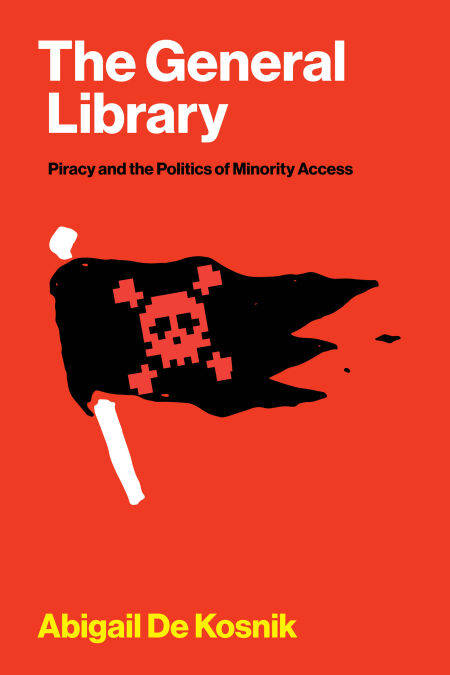
A bold argument for piracy as a system of knowledge sharing, cultural preservation, and political resistance.
What if copying and sharing media, acts frequently labeled as “piracy,” were understood as part of a vast cultural infrastructure that sustains knowledge? The General Library dismantles the myth that piracy is theft, demonstrating how unauthorized modes of distribution and access can act as techniques for cultural preservation, political expression, and everyday resistance. Rather than reinforcing the industry narrative that piracy drains resources, Abigail De Kosnik argues that unauthorized access provides essential pathways to learning, belonging, and survival—particularly for marginalized communities often excluded from official channels.
Drawing on in-depth oral history interviews with media users who identify as fans, pirates, and intensive consumers, De Kosnik traces how Black, brown, queer, disabled, and poor communities use illicit access to explore identity, build communities of care, and imagine futures otherwise rendered inaccessible by techno-capitalism. She also examines how definitions of piracy are shifting with the rise of AI, as corporations scrape copyrighted works to train LLMs—an example of illicit copying on a massive scale that dwarfs any act of appropriation committed by individual consumers.
What if copying and sharing media, acts frequently labeled as “piracy,” were understood as part of a vast cultural infrastructure that sustains knowledge? The General Library dismantles the myth that piracy is theft, demonstrating how unauthorized modes of distribution and access can act as techniques for cultural preservation, political expression, and everyday resistance. Rather than reinforcing the industry narrative that piracy drains resources, Abigail De Kosnik argues that unauthorized access provides essential pathways to learning, belonging, and survival—particularly for marginalized communities often excluded from official channels.
Drawing on in-depth oral history interviews with media users who identify as fans, pirates, and intensive consumers, De Kosnik traces how Black, brown, queer, disabled, and poor communities use illicit access to explore identity, build communities of care, and imagine futures otherwise rendered inaccessible by techno-capitalism. She also examines how definitions of piracy are shifting with the rise of AI, as corporations scrape copyrighted works to train LLMs—an example of illicit copying on a massive scale that dwarfs any act of appropriation committed by individual consumers.
Specificaties
Betrokkenen
- Auteur(s):
- Uitgeverij:
Inhoud
- Aantal bladzijden:
- 248
- Taal:
- Engels
- Reeks:
Eigenschappen
- Productcode (EAN):
- 9780262057097
- Verschijningsdatum:
- 16/11/2026
- Uitvoering:
- E-book
- Beveiligd met:
- Adobe DRM
- Formaat:
- ePub


Alleen bij Standaard Boekhandel
+ 59 punten op je klantenkaart van Standaard Boekhandel
Cadeau

AANGERADEN


Beoordelingen
We publiceren alleen reviews die voldoen aan de voorwaarden voor reviews. Bekijk onze voorwaarden voor reviews.