



- Afhalen na 1 uur in een winkel met voorraad
- In januari gratis thuislevering in België
- Ruim aanbod met 7 miljoen producten
- Afhalen na 1 uur in een winkel met voorraad
- In januari gratis thuislevering in België
- Ruim aanbod met 7 miljoen producten





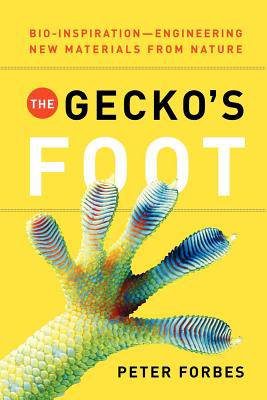
The Gecko's Foot
Bio-Inspiration: Engineering New Materials from Nature
Peter Forbes
Paperback | Engels
€ 35,95
+ 71 punten
Uitvoering
Omschrijving
"Study nature, love nature, stay close to nature. It will never fail you." When Frank Lloyd Wright said this, he probably wasn't envisioning self-cleaning surfaces, the photonic crystal, or Velcro. But nature has indeed yielded such inventions for those scientists and engineers who heeded the architect's words.
The cutting-edge science of bio-inspiration gives way to architectural and product designs that mimic intricate mechanisms found in nature. In Peter Forbes's engaging book we discover that the spiny fruits of the cocklebur inspired the hook-and-loop fastener known as Velcro; unfolding leaves, insect wings, and space solar panels share similar origami folding patterns; the self-cleaning leaves of the sacred lotus plant have spawned a new industry of self-cleaning surfaces; and cantilever bridges have much in common with bison spines.
As we continue to study nature, bio-inspiration will transform our lives and force us to look at the world in a new way.
The cutting-edge science of bio-inspiration gives way to architectural and product designs that mimic intricate mechanisms found in nature. In Peter Forbes's engaging book we discover that the spiny fruits of the cocklebur inspired the hook-and-loop fastener known as Velcro; unfolding leaves, insect wings, and space solar panels share similar origami folding patterns; the self-cleaning leaves of the sacred lotus plant have spawned a new industry of self-cleaning surfaces; and cantilever bridges have much in common with bison spines.
As we continue to study nature, bio-inspiration will transform our lives and force us to look at the world in a new way.
Specificaties
Betrokkenen
- Auteur(s):
- Uitgeverij:
Inhoud
- Aantal bladzijden:
- 292
- Taal:
- Engels
Eigenschappen
- Productcode (EAN):
- 9780393337976
- Verschijningsdatum:
- 1/05/2006
- Uitvoering:
- Paperback
- Formaat:
- Trade paperback (VS)
- Afmetingen:
- 152 mm x 229 mm
- Gewicht:
- 430 g


Alleen bij Standaard Boekhandel
+ 71 punten op je klantenkaart van Standaard Boekhandel
Cadeau

AANGERADEN


Beoordelingen
We publiceren alleen reviews die voldoen aan de voorwaarden voor reviews. Bekijk onze voorwaarden voor reviews.