


- Afhalen na 1 uur in een winkel met voorraad
- Gratis thuislevering in België vanaf € 30
- Ruim aanbod met 7 miljoen producten
- Afhalen na 1 uur in een winkel met voorraad
- Gratis thuislevering in België vanaf € 30
- Ruim aanbod met 7 miljoen producten





Omschrijving
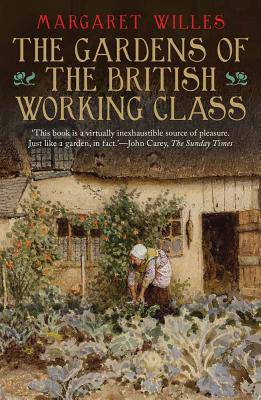
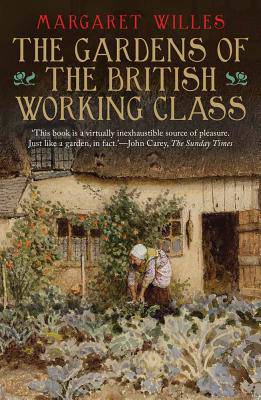
This magnificently illustrated people's history celebrates the extraordinary feats of cultivation by the working class in Britain, even if the land they toiled, planted, and loved was not their own. Spanning more than four centuries, from the earliest records of the laboring classes in the country to today, Margaret Willes's research unearths lush gardens nurtured outside rough workers' cottages and horticultural miracles performed in blackened yards, and reveals the ingenious, sometimes devious, methods employed by determined, obsessive, and eccentric workers to make their drab surroundings bloom. She also explores the stories of the great philanthropic industrialists who provided gardens for their workforces, the fashionable rich stealing the gardening ideas of the poor, alehouse syndicates and fierce rivalries between vegetable growers, flower-fanciers cultivating exotic blooms on their city windowsills, and the rich lore handed down from gardener to gardener through generations. This is a sumptuous record of the myriad ways in which the popular cultivation of plants, vegetables, and flowers has played--and continues to play--an integral role in everyday British life.
Specificaties
Betrokkenen
- Auteur(s):
- Uitgeverij:
Inhoud
- Aantal bladzijden:
- 424
- Taal:
- Engels
Eigenschappen
- Productcode (EAN):
- 9780300212358
- Verschijningsdatum:
- 28/07/2015
- Uitvoering:
- Paperback
- Formaat:
- Trade paperback (VS)
- Afmetingen:
- 140 mm x 216 mm
- Gewicht:
- 544 g


Alleen bij Standaard Boekhandel
+ 37 punten op je klantenkaart van Standaard Boekhandel
AANGERADEN


Beoordelingen
We publiceren alleen reviews die voldoen aan de voorwaarden voor reviews. Bekijk onze voorwaarden voor reviews.