


- Afhalen na 1 uur in een winkel met voorraad
- Gratis thuislevering in België vanaf € 30
- Ruim aanbod met 7 miljoen producten
- Afhalen na 1 uur in een winkel met voorraad
- Gratis thuislevering in België vanaf € 30
- Ruim aanbod met 7 miljoen producten





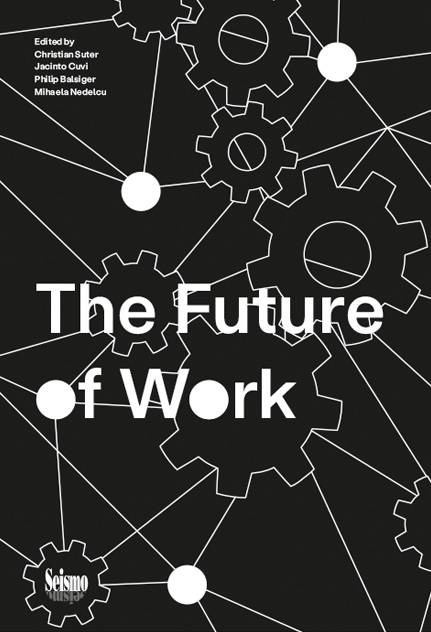
The Future of Work
Camille Budon, Méda Dominique, Chris Tilly, George Ritzer, Piergiorgio Degli Esposti, Ulrich Dolata, Anne Jourdain, Eltje Gajewski, Rainer Gabriel, Michel Oris, Sonja Kubat, Kushtrim Adili, Monika Götzö, Eva Nadai, Anna Gonon, Jean-Pierre Tabin, Monika Piecek, Isabelle Probst, Céline Perrin, Pierre Bataille, Marie Sautier, Rainer Diaz-Bone
Paperback | Engels
€ 37,45
+ 74 punten
Omschrijving
The Future of Work is a collective, interdisciplinary effort to grasp the trends that were reshaping the world of work before the Covid-19 pandemic along with its effects on the workers and labor markets. Written in the immediate aftermath of the outbreak, as countries around the world grappled with the economic fallout, the volume's 15 contributions from leading researchers and junior scholars draw on the rich debates of the 2019 Congress of the Swiss Sociological Association on the Future of Work held at the University of Neuchâtel in the fall of 2019. The chapters, divided into five sections, cover issues ranging from the (sometimes unexpected) impacts of digital technologies and globalization to the experience of marginalized workers (in both the Global North and South) and the future of academia. Their critical insights into the historical dynamics and lived experiences behind the transformation of work provide a framework to understand the fate of workers and occupations in these unsettling times.
Specificaties
Betrokkenen
- Auteur(s):
- Uitgeverij:
Inhoud
- Taal:
- Engels
Eigenschappen
- Productcode (EAN):
- 9783037772447
- Uitvoering:
- Paperback
- Afmetingen:
- 155 mm x 18 mm
- Gewicht:
- 483 g



Alleen bij Standaard Boekhandel
+ 74 punten op je klantenkaart van Standaard Boekhandel
Cadeau

AANGERADEN


Beoordelingen
We publiceren alleen reviews die voldoen aan de voorwaarden voor reviews. Bekijk onze voorwaarden voor reviews.